
Beauty
Clean beauty: you are paying for a word with no definition
"Clean" has no legal or regulatory definition in US cosmetics, so the premium you see on a clean-labeled shelf comes with no guaranteed ingredient standard behind it.
Beauty here means budget beauty, examined ingredient by ingredient: which drugstore formula genuinely matches an expensive one, which falls short, and where a high price buys glass and advertising. Comparisons include cost per milliliter. Read by people who want good skin without a luxury basket.
"Clean" has no legal or regulatory definition in US cosmetics, so the premium you see on a clean-labeled shelf comes with no guaranteed ingredient standard behind it.
A 20 percent label is not automatically better than 10, because the number only counts if the form, the pH, and the packaging let the vitamin stay stable and reach skin.
Miniature skincare and haircare often carry two to four times the per-ounce price of the full bottle — the unit price on the shelf tag shows you, if you know how to read it.
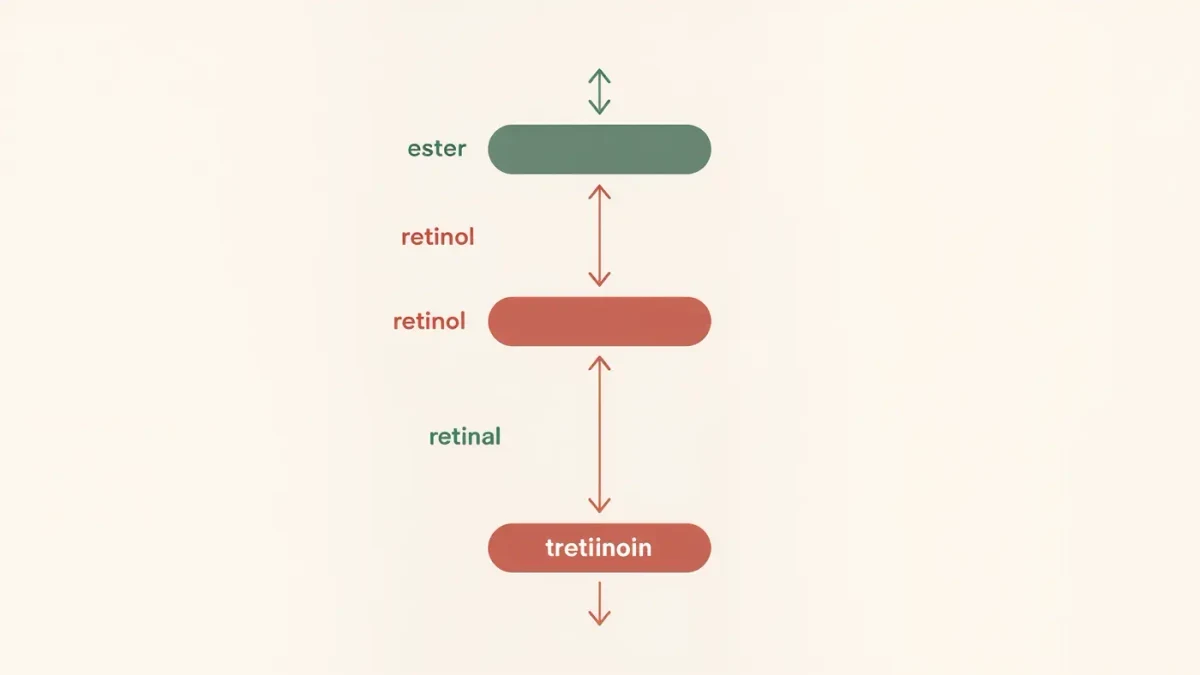
The percentage on the front of a retinol serum tells you less than the form of vitamin A inside it — here is how strength, conversion, and price actually relate.
The price gap between a $30 dupe and a $160 designer perfume comes down to concentration, longevity, and brand overhead — here is how to read the label before you spend.