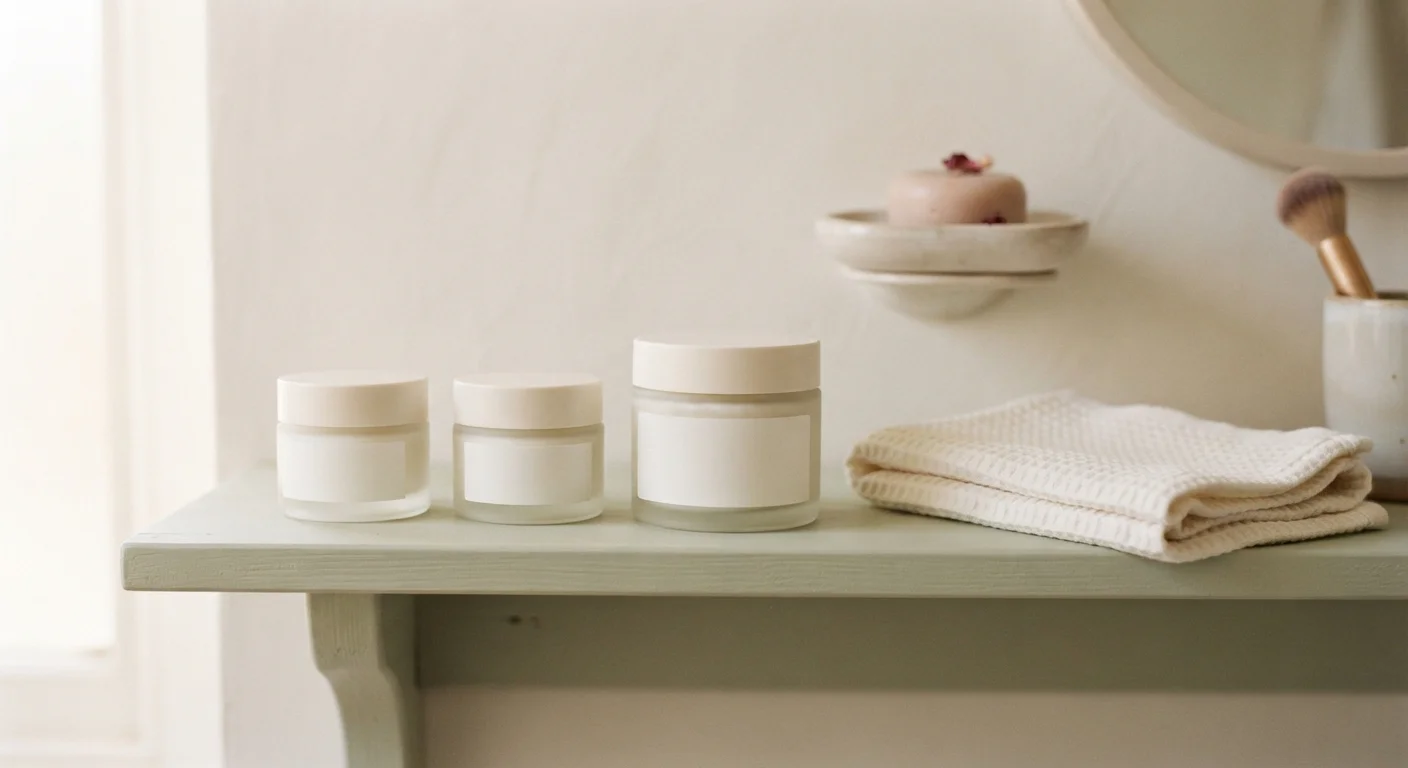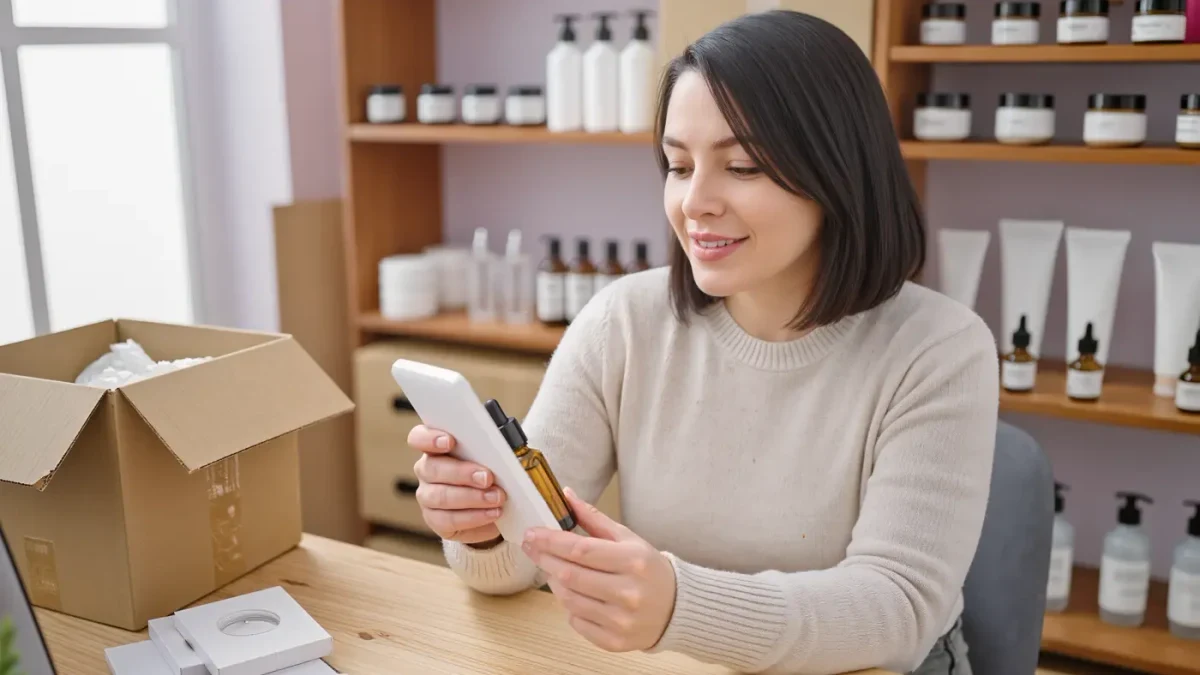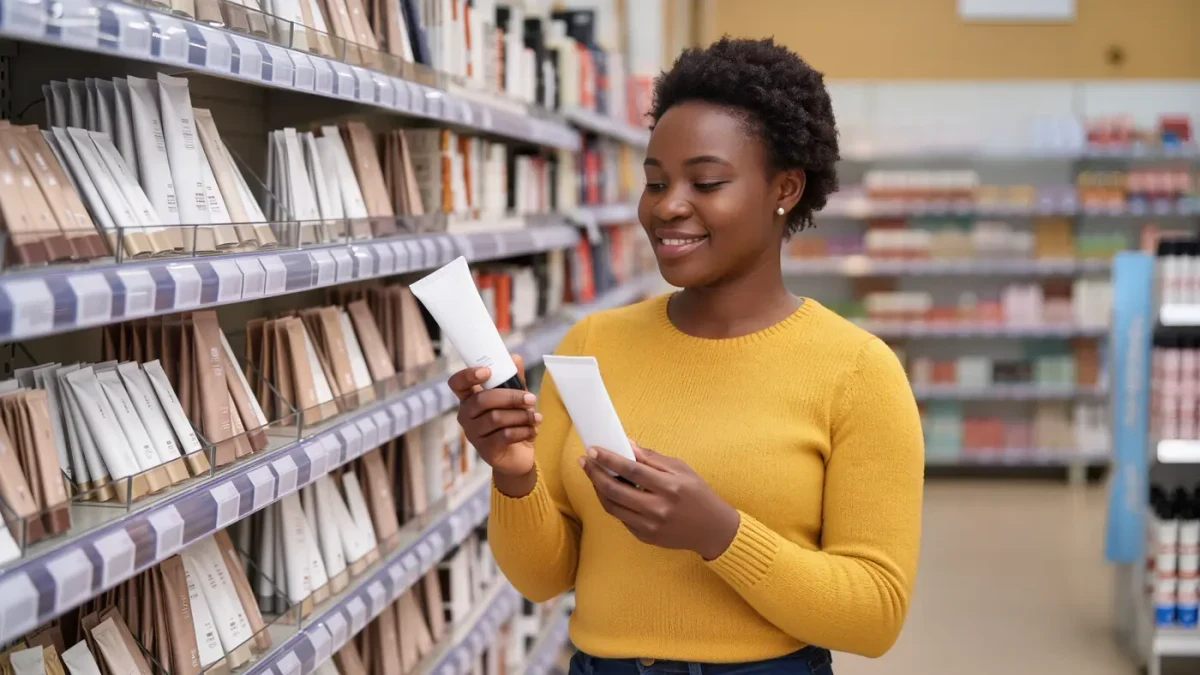
There is no legal definition of "clean beauty" in the United States: the FDA does not define or regulate the term on cosmetics labels, and a brand can print the word on any formula it likes. That means a clean-labeled cream costing 30, 50, or 100 percent more than a comparable product is charging you for a marketing position, not for a certified standard. You are not necessarily getting nothing — some clean brands voluntarily exclude real ingredient lists and publish them — but you need to know what the word does and does not certify before you pay for it.
What does the FDA actually say about "clean"?
The FDA's own published materials on cosmetics state plainly that the agency has not defined the term "clean," and that other unregulated label terms follow the same pattern. In US law, cosmetics labeling is governed by the Food, Drug, and Cosmetic Act and the Modernization of Cosmetics Regulation Act of 2022 (MoCRA), which tightened safety substantiation and facility registration requirements — but neither defines marketing adjectives like clean, natural, nontoxic, or chemical-free. A product can be labeled "clean" whether or not any third party reviewed its formula.
This is not a niche gap. The same page of FDA consumer guidance notes the agency does not define "organic" in cosmetics either; that word is only meaningful on cosmetics when backed by USDA National Organic Program certification of the agricultural ingredients.
What do brands mean when they say clean?
In practice, clean means whatever the brand's own exclusion list says it means. Common versions include:
- Excluding specific ingredient groups: parabens, phthalates, formaldehyde releasers, certain chemical sunscreen filters, synthetic fragrance.
- Vegan and cruelty-free claims: about animal-derived ingredients and animal testing, not about ingredient safety at all.
- Retailer standards: "clean" seals at major beauty retailers are the retailer's private standard — a curated exclusion list applied to participating brands, not a government certification.
Each of those lists is a real thing you can evaluate. The word "clean" on its own is not. Two clean-labeled serums from different brands may exclude entirely different ingredients.
Are the excluded ingredients actually harmful?
This is where the premium gets philosophically shaky. Many ingredients on typical clean exclusion lists — parabens are the standard example — remain approved for use in cosmetics in the US and EU at regulated concentrations, and the FDA's own materials state that, as of its most recent published reviews, it had no information showing parabens as used in cosmetics were a health hazard. Toxicology, as dermatologists and cosmetic chemists repeatedly note, is about dose and exposure, not the mere presence of an ingredient name. A clean label is therefore not a hazard label on the other side either: non-clean does not mean unsafe, and clean does not mean safer.
Reasonable people can still prefer to avoid certain ingredient families for personal, environmental, or precautionary reasons. The shopping skill is turning that preference into a specific list you check yourself, rather than outsourcing it to a word.
What is the price premium actually buying?
Illustrative, honestly marked US retail examples as of late 2025: a clean-positioned moisturizer commonly lists in the $28–$60 range, while functionally similar drugstore moisturizers with simpler packaging list at $9–$18. The clean premium typically funds: botanical raw materials that cost more per kilo than their synthetic equivalents, small-batch manufacturing, certified packaging claims, retailer clean-program fees, and marketing that explains the position. Some of that is genuinely more expensive to make. Some of it is margin. The label itself, being free to print, contributes nothing you can verify.
If the clean brand discloses a full INCI list and its exclusion criteria, you can audit the premium and decide if it is worth it. If the brand markets vibes — "free from" fear-forward imagery with no ingredient transparency — the premium is buying you an emotion.
How do you shop clean claims without overpaying?
- Read the INCI list yourself. It is the only ingredient information on the package that US regulation requires to be accurate and complete. Compare it against the non-clean product's list; they may differ by a handful of ingredients.
- Ask which list, whose list. If the brand says clean, look for the published exclusion list. If the seal is a retailer's, find the retailer's published criteria.
- Price per ounce both ways. Run the same unit math you would on shampoo before paying the clean premium.
- Verify certifiable claims separately. Cruelty-free (Leaping Bunny), organic ingredients (USDA), and vegan claims each have certifying bodies; a claim with a certifier is checkable, and a claim without one is not.
- Ignore fear-forward marketing. "Free from" lists including ingredients the product never could have contained are a tell that the label is doing the selling.
Do you get better products for the premium?
Sometimes, and not because of the word. Clean-positioned brands often do invest in pleasant textures, fragrance-free options, and transparent communication, and some shoppers find products they prefer at any price. But the same qualities exist in drugstore brands that never use the word, and the word itself adds no ingredient information that the INCI list does not already give you. The rational approach treats clean as a brand's self-description of its own choices — the FDA documentation makes clear it is nothing more — and prices it accordingly.
Bottom line
Clean beauty is a label with no regulatory definition, no required standard, and no third-party verification behind the word itself. That does not make clean-labeled products bad; it makes the word worthless as evidence. Read the ingredient list, check any real certifications, run the per-ounce math, and spend your premium only where you can see what it buys.