Beauty
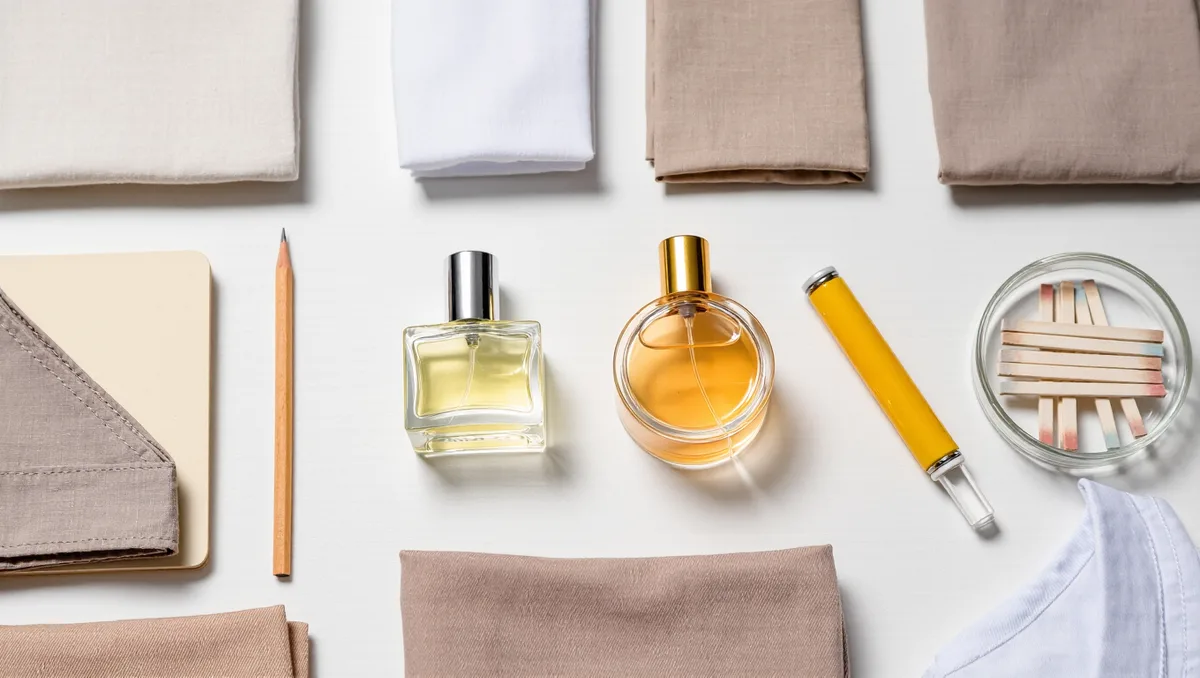
How to test perfume before you buy a full bottle
A full bottle is a commitment. Here's how to sample so you never end up with a 100 ml regret on your shelf.
Beauty here means budget beauty, examined ingredient by ingredient: which drugstore formula genuinely matches an expensive one, which falls short, and where a high price buys glass and advertising. Comparisons include cost per milliliter. Read by people who want good skin without a luxury basket.
A full bottle is a commitment. Here's how to sample so you never end up with a 100 ml regret on your shelf.
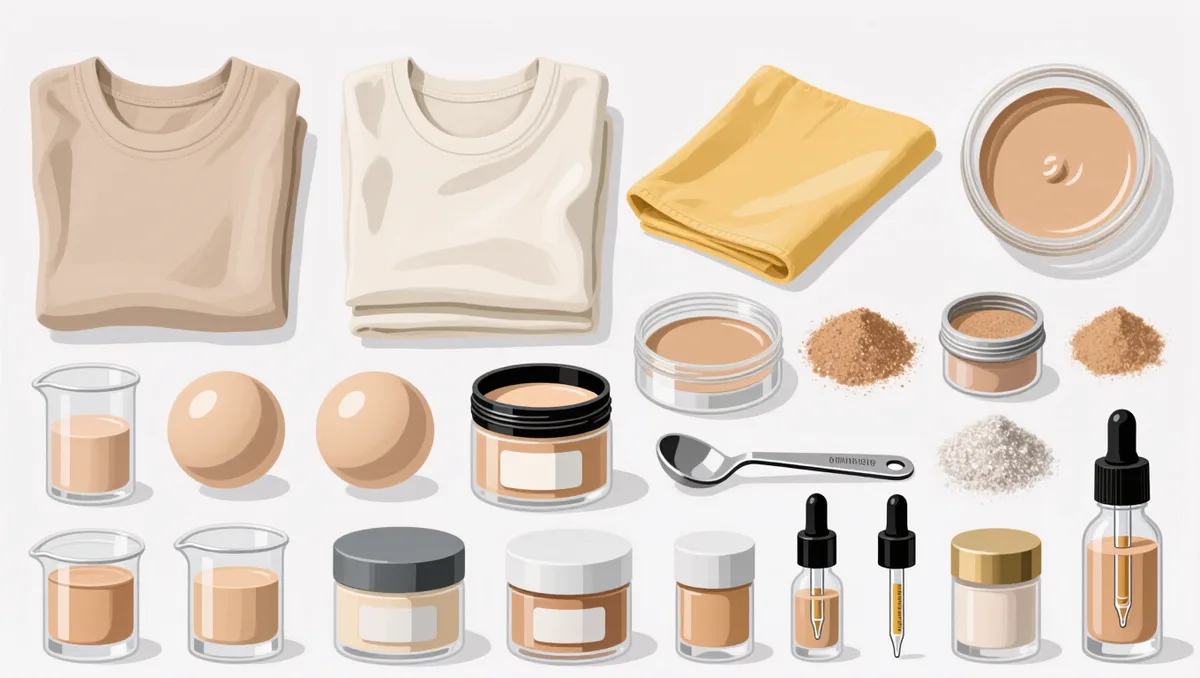
The first five ingredients tell you more about a foundation than the price tag does.
Most luxury mascara pairs have a budget twin that performs close to the original. A few swaps cost you real performance.
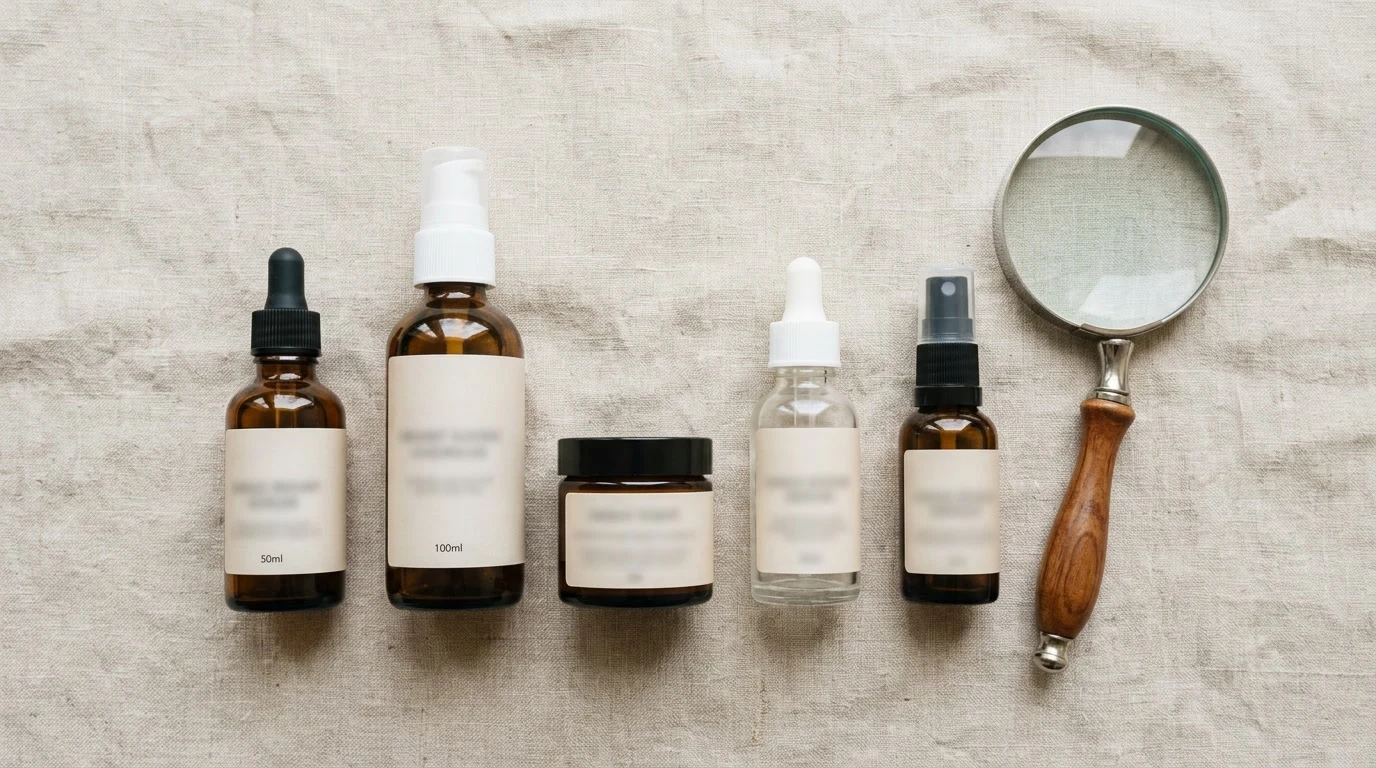
The phrase sounds like a checked fact. Here is what the FDA and FTC actually require before a brand can print it.
Put a $12 and a $120 moisturizer side by side and the first five ingredients often read almost identically — here is how to read an INCI list like a formulator and decide what the premium is buying.
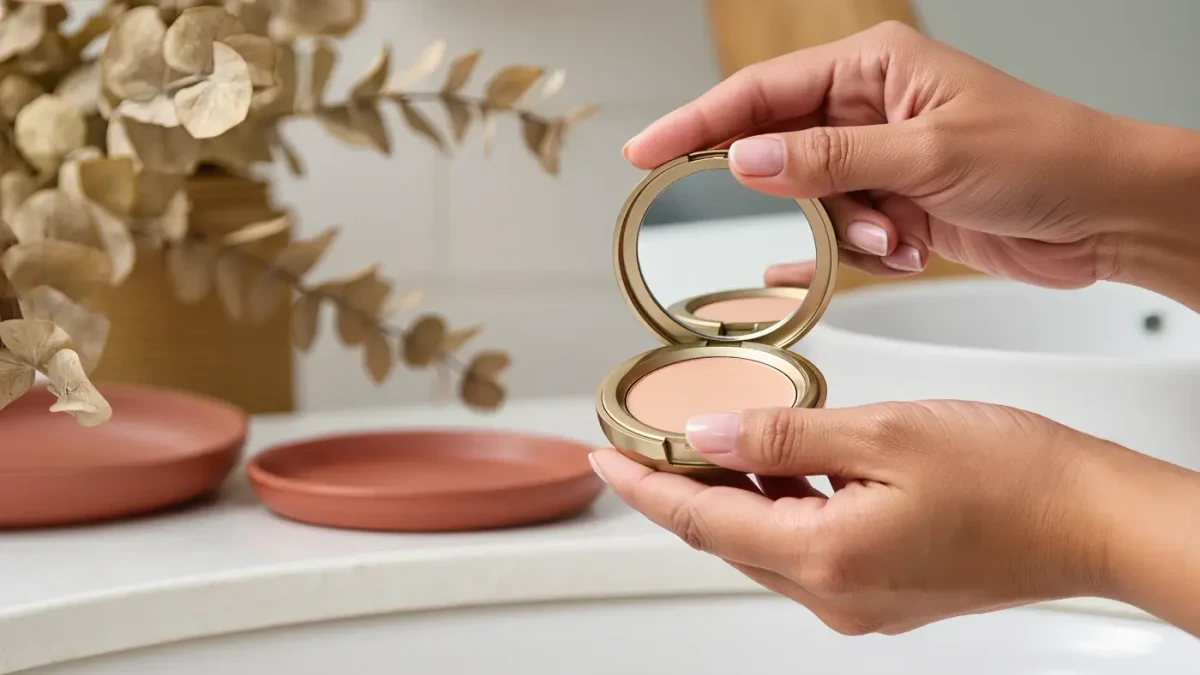
Refill pods cost 30 to 60 percent less than a new compact on average — but the savings only materialize if you finish the product, keep the case, and buy the refill, not the sentiment.