
Value
Furniture Value Guide: When Budget Brands Beat Designer Names
The quality-to-cost sweet spot in furniture usually sits in the middle tier — and knowing why tells you when to splurge and when to stop.
Value applies arithmetic to shopping: cost per use, expected lifespan, repairability, warranty terms and resale. Pieces show when spending more is genuinely cheaper, and when a premium is only a logo. Meant for readers making a decision they will live with for several years.
The quality-to-cost sweet spot in furniture usually sits in the middle tier — and knowing why tells you when to splurge and when to stop.

A coat you wear for a decade can justify a high price. Most other 'investment pieces' can't.

Expiration, inactivity fees, state protections, and the resale market for cards you won't use — checked before you buy or sell.

A simple framework for comparing the repair quote in your hand against the price of a new one — and the lifespan both have left.

A federal pricing rule and a documented pattern of near-permanent “sales” show why a discount sticker doesn't prove much on its own — and how to check one yourself before you buy.
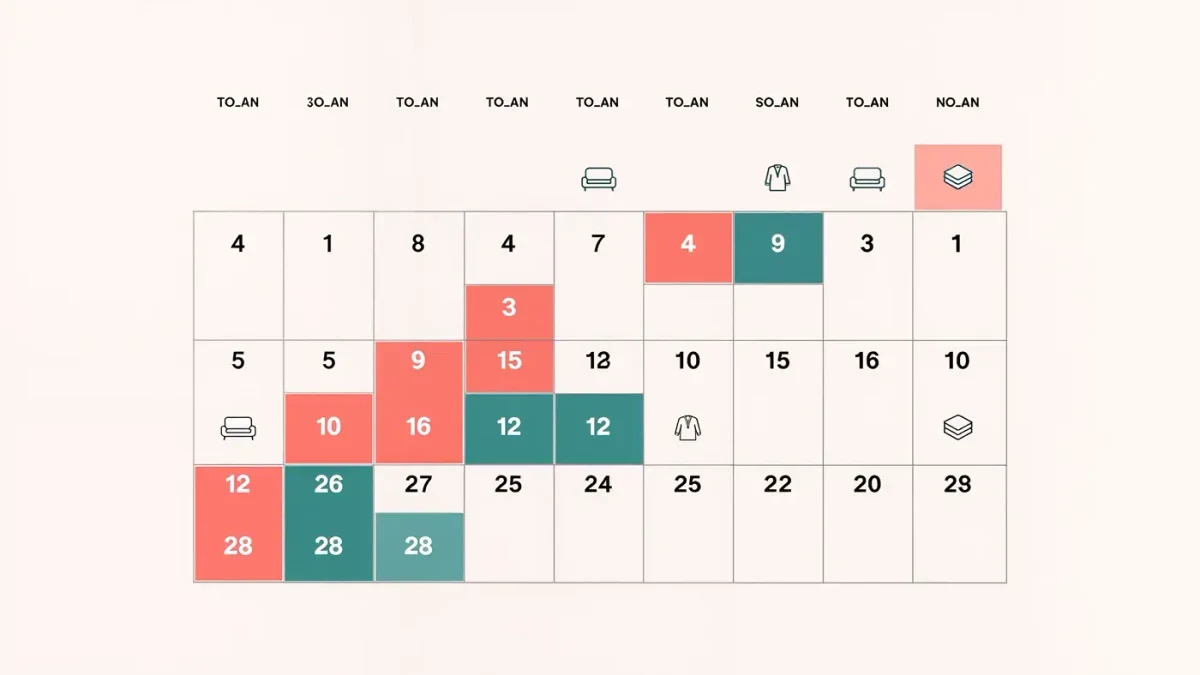
Linens in January, furniture in July, coats at final clearance in February - the retail calendar is predictable, and shopping against it costs you real money.