
Value
Free shipping minimums: the true cost of the threshold
A free-shipping threshold is paid with filler purchases, not fees - how to run the two-number check that decides whether the bar is worth reaching.
Value applies arithmetic to shopping: cost per use, expected lifespan, repairability, warranty terms and resale. Pieces show when spending more is genuinely cheaper, and when a premium is only a logo. Meant for readers making a decision they will live with for several years.
A free-shipping threshold is paid with filler purchases, not fees - how to run the two-number check that decides whether the bar is worth reaching.

Ten minutes reading sold listings on resale platforms tells you an item's real market value, its exit liquidity, and whether buying new is actually cheaper.
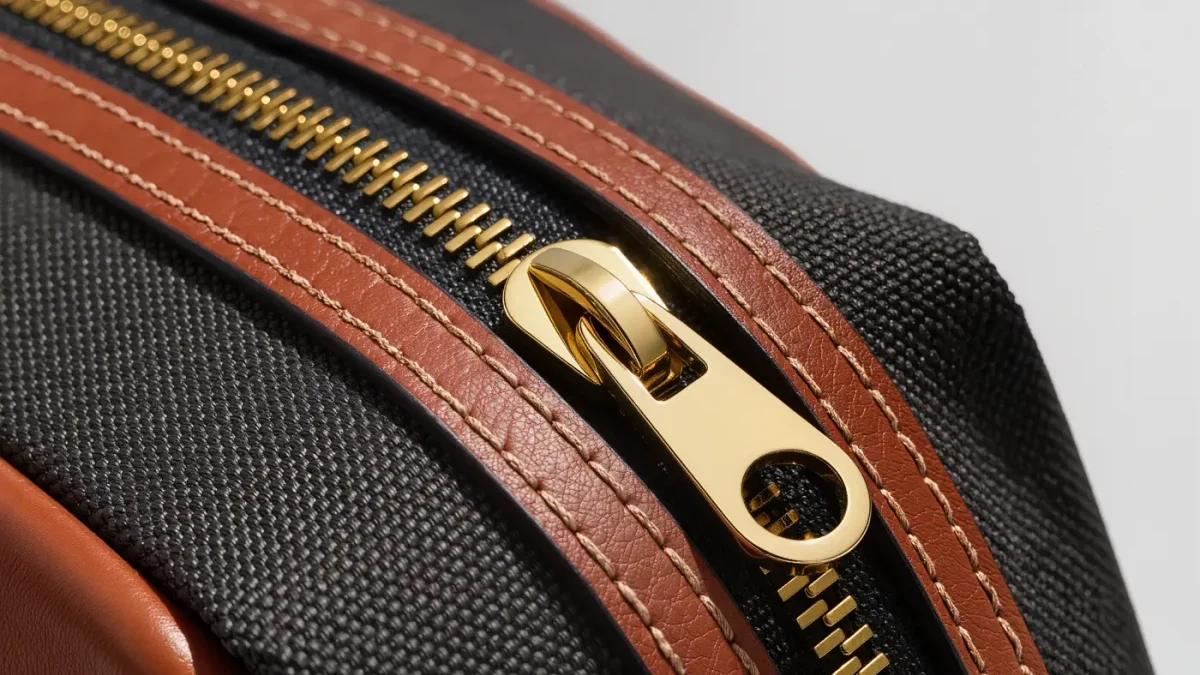
Lifetime warranties cover the manufacturer's definition of a lifetime, and defects rather than wear - here is how to read the document before paying a premium.

Discounts that change the price compete with each other, while cashback paid afterward stacks freely — here is the order of operations that actually works.

Two shoppers can average the same price per item while one spends four times as much per year — the difference is turnover, and only the total reveals it.

Short useful life and zero failure cost are the two signals that make buying cheap the rational move — plus the categories where cheap quietly costs double.