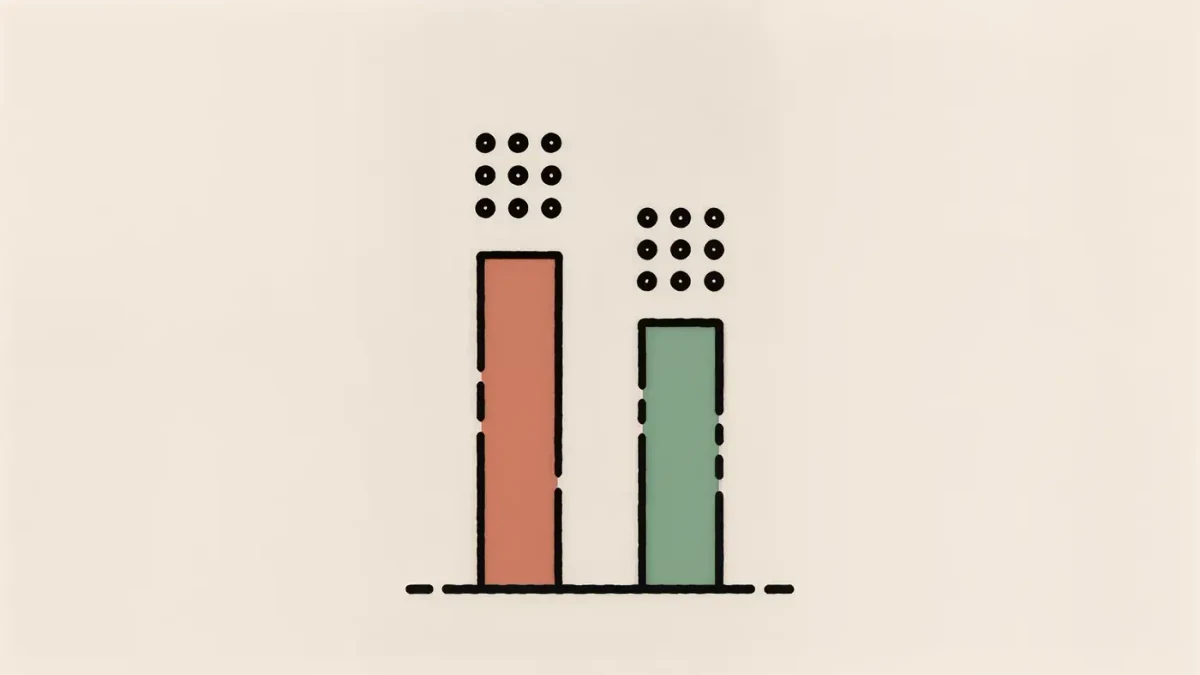
A year of salon hair color costs roughly eight to twelve times more than a year of box dye for most people: at a typical root touch-up price near $90–$150 every six weeks you are in the $800–$1,300 range, while a full year of boxed color at around $9–$14 per box runs $80–$180 including touch-ups. Those figures are illustrative US price bands, honestly marked, but the structure behind them is universal: frequency and complexity, not brand loyalty, decide the bill. Here is how to run the math for your own hair and decide where the money is worth spending.
The standard disclaimer: this site publishes information, not medical advice. Hair dye safety questions — especially allergic reactions — belong with a doctor or dermatologist.
How the yearly math works
The formula is simple: price per session times sessions per year, plus supplies. The variables that matter:
- Root regrowth rate. Hair grows about half an inch per month on average. Visible roots on high-contrast color push a six-week cycle; low-contrast shades can stretch to ten or twelve weeks.
- Service type. A single-process root touch-up costs far less than balayage, which is a multi-hour session priced accordingly and often needs fewer visits per year.
- Box touch-up cadence. Boxed color users typically touch up every four to six weeks, one box per session, sometimes two boxes for long or thick hair.
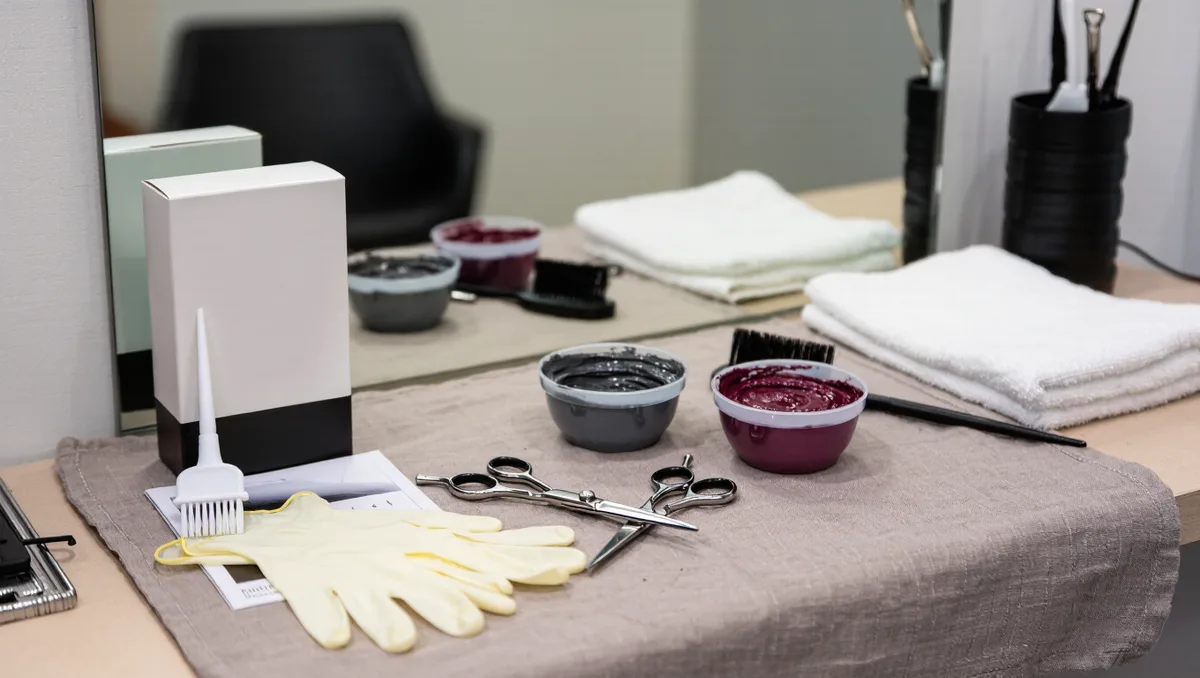
- Supplies. Add gloves, an applicator brush, clips, and old towels — a one-time few dollars that last years.
Illustrative comparison as of late 2025 US pricing: six salon touch-ups a year at $110 each is $660, versus twelve box sessions at $11 each for long hair needing two boxes is $264, a two-to-three-times gap. The wider gap appears with dimensional color: a $260 balayage session twice a year plus two $110 toner glosses lands near $740 before tips, against the same $264 box budget. Color-correction territory is where the comparison stops being close at all.
What does the salon premium actually buy?
Between sessions, a stylist sells you more than dye:
- Formulation. Professional color is mixed to your hair's current state, history, and desired level — box dye is a one-formula-fits-most compromise, which is why "ash brown" boxes turn brassy on some heads and flat on others.
- Technique. Highlights, balayage, gray blending, and corrective work involve sectioning and timing that drugstore kits physically cannot replicate.
- Predictability. The main financial argument for the salon is avoiding a $200–$400 color-correction appointment after a failed box attempt, which is a documented and common enough service that salons price it as its own category.
On safety, both routes use regulated chemistry: the FDA publishes guidance on hair dyes, including the advice to do a patch test before use and follow label directions, and box kits carry those instructions in every carton. Reading and following them is part of the cost of the cheap route, in time if not money.
What does box dye do well?
Boxed color has genuinely improved and handles several jobs well: covering gray with a level-on-level single process, refreshing your existing shade, going darker (a low-risk direction — dark is correctable at home far more easily than light), and maintaining roots between salon visits. Dermatologists' general caution, echoed in FDA consumer guidance, is about allergic sensitivity and scalp irritation, not about whether the product colors hair. The failure mode of box dye is aesthetic, not medical, in the overwhelming majority of cases: uneven tone, brassiness, banding from overlapping application, or a shade drift from what the box pictured — because the pictured result assumes the hair level printed on the back chart, not yours.
What is the hybrid strategy?
The pattern that many budget-conscious color wearers land on: pay the salon for the structural work and do the maintenance yourself.
- Salon once or twice a year for the base, dimensional color, or a major change.
- Box or demi-permanent gloss at home between visits for roots and tone refresh — a $10–$16 gloss kit every six weeks costs under $150 a year and can extend a salon color's life dramatically.
- Color-depositing conditioners (roughly $20–$35 a tube, lasting months) hold tone between sessions for a fraction of a toner appointment.
Run against the illustrative numbers above, the hybrid lands in the $300–$500 range a year: most of the salon look for roughly half the full-salon budget, or less.
When is full salon the only sensible answer?
- You are going lighter by more than two levels. Lightening requires bleach and judgment; the cost of a corrective fix exceeds the savings in one incident.
- You want dimensional color. Balayage and highlights are placement skills, not formulas.
- Corrective work is on the table. Color over previously colored hair is where box chemistry most often misfires.
- Your hair reacts. Anyone with a history of reaction to hair color should talk to a dermatologist before any dye, box or salon — this is a medical point, not a shopping one.
How do you decide for your own head?
Write down your actual cycle: how many weeks until roots bother you, what service keeps the color believable, and what you paid last year — receipts or card statements, not memory. Multiply honestly. If the answer surprises you, try one hybrid year: cut salon visits to the structural minimum, add home glosses, and compare the photographs, not just the bank statement. The cheapest acceptable result is the goal, not the cheapest box on the shelf.
Bottom line
Salon vs box dye is an eight-to-twelve-times difference in maintenance scenarios and even more for dimensional work — and for that multiple, you buy formulation, technique, and predictability. Box dye wins at single-process gray coverage and shade maintenance. Most budgets are best served by the hybrid: salon for structure, home for upkeep, and an honest annual total computed before the appointments, not after.