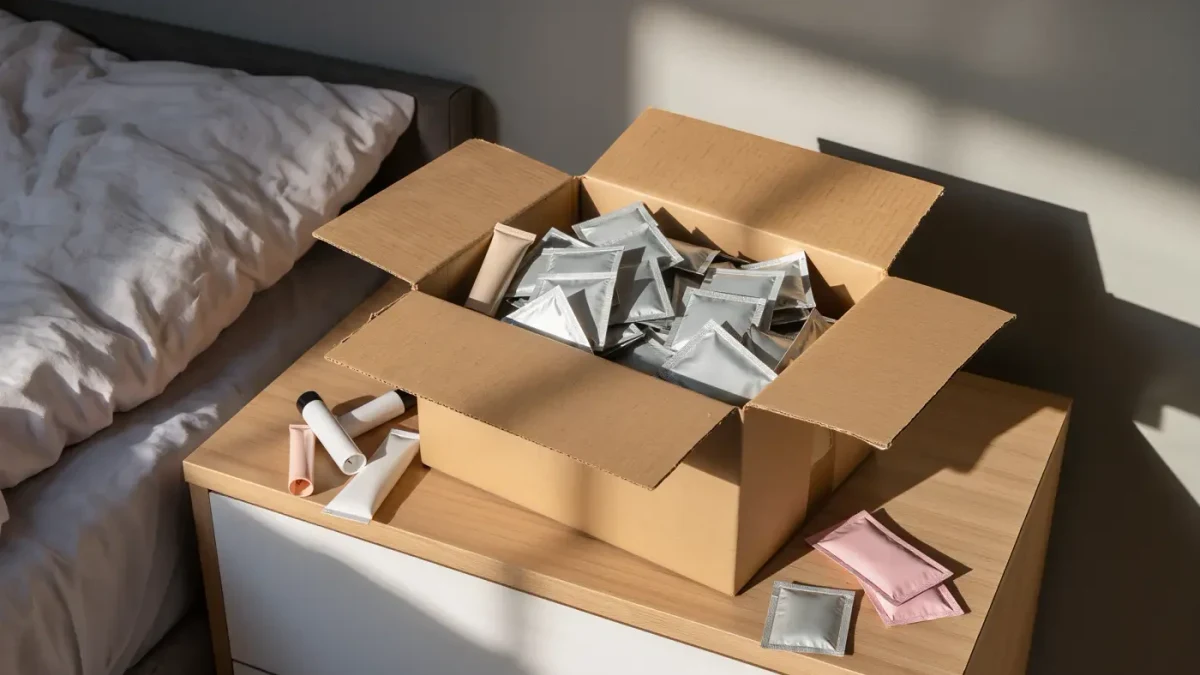
After six months of beauty subscription boxes at a typical $15–$25 monthly price, you have paid roughly $90–$150 and received dozens of sample and full-size items — and the honest metric, cost per item actually used, is almost always worse than the headline "over $300 in value" implies. Subscription economics hinge on three numbers most people never compute: true cost per box after shipping and skipped-month leakage, cost per item you actually finished, and the resale value of what you did not want. Here is the math, and the decision rule for month seven.
What does a box really cost per month?
Start with the sticker, then adjust:
- List price: major US beauty boxes have commonly listed around $15–$30 per month as of 2025, with discounts for longer prepay commitments.
- Shipping and tax: some boxes include shipping; others add $5 or more, and sales tax applies in many states. A "$20 box" with $5 shipping is a $25 box.
- Prepay leakage: annual plans discount the monthly rate but bill upfront; if you cancel mid-year, refunds are often pro-rated at the undiscounted rate or unavailable. Reading the cancellation terms is part of the price.
- Skipped months: most services let you skip, but forgetting to skip before the billing cutoff is the single most common way a subscription turns into a drawer of unopened boxes.
Run your own six-month review with receipts, not memory: total charged, including shipping, divided by boxes actually opened and used within the month they arrived. That second divisor — used in month, not eventually — is where subscriptions go to die.
What is the real cost per item you used?
An illustrative, honestly marked example: a $23-per-month box including shipping delivers five items. Over six months that is $138 for thirty items — $4.60 per item received. But track usage honestly and a typical outcome might be: you finished five items, occasionally used eight, and never opened seventeen. At twenty-two items actually touched, your cost per used item is $6.27; at five items finished to empty, it is $27.60 each — more than full retail for many drugstore staples.
The "$300 value" claim counts every foil packet at its full-size equivalent price. Value assigned to items you would never have bought, at sizes you cannot finish, is marketing, not arithmetic. A 1 ml fragrance sample valued at the price of a 50 ml bottle is the classic case.
When do subscriptions actually win?
The subscription model can genuinely pay under specific conditions:
- Replace-a-staple boxes. Boxes built around full-size replenishment of products you already buy — mascara, cleanser, hair masks — substitute for purchases you were making anyway, and substitution is where the savings live.
- Discovery with a redemption engine. Some services pair samples with a points shop where samples earn credit toward full sizes you choose. If you redeem that credit reliably, the samples stop being clutter and become a discount pipeline on products you selected.
- Discipline exists. If you genuinely open, use, and finish most items monthly, cost per used item can land below retail. The population for whom this is true is smaller than the unboxing videos suggest.
When does the math fall apart?
- Sample fatigue. Foil sachets of serum are inconvenient; inconvenient products go unused regardless of their listed value.
- Mismatch creep. Preference quizzes narrow but never eliminate categories you do not use, and every unwanted item pushes the used-item cost up.
- Duplicate drawer. Six months of similar tinted lip products is not value; it is one lip product plus five backups you did not choose.
- The billing cutoff miss. One forgotten skip erases two months of good math.
Gift subscriptions deserve the same audit in reverse. A three-month gift box is often the best version of the product precisely because it ends: the recipient enjoys the novelty, and nobody has to remember a cancellation deadline. If you buy beauty gifts annually, a prepaid short plan at a documented list price is usually easier to price honestly than a rolling month-to-month plan wrapped as a present.
How do you run the month-seven audit?
Before the next billing date, do this:
- Total all charges for six months including shipping and tax.
- Count what you finished, what you occasionally used, and what sits sealed. Be ungenerous to yourself.
- Compute cost per finished item. If it exceeds the retail price of the equivalent product you would actually buy, the subscription is a luxury, not a deal.
- Check resale or gifting value of the sealed remainder — local swaps and resale platforms recover a fraction, not face value.
- Decide the default: keep only if cost per used item beats your normal buying, downgrade to the quarterly or prepaid tier to force deliberateness, or cancel and redirect the budget to full sizes you chose yourself.
Also test the counterfactual: take the same $138 and buy three full-size products you picked after using samples. Many people find the direct purchase path delivered more satisfaction per dollar once they compared.
Bottom line
Subscription boxes are priced to feel like winning — a $23 charge against "$60 in value" — but the math that matters is cost per item you actually used, and after six honest months that number is frequently worse than plain retail. The model rewards people who use nearly everything and punishes everyone else with a drawer of sealed samplers. Run the audit before month seven, and let the receipts, not the unboxing video, make the call.