The percentage on a vitamin C serum tells you how much vitamin C is in the bottle, not how much benefit reaches your skin — and a 10 percent L-ascorbic acid formula in a dark airless pump can be the better buy over a faded 20 percent serum in a clear dropper bottle. Published dermatology work on topical vitamin C points to L-ascorbic acid at 10–20 percent, formulated at a low pH, as the range where absorption into skin plateaus, so paying for a bigger number past that range buys nothing. Here is how to decode the label before you spend.
Why does the form of vitamin C matter so much?
Not everything called "vitamin C" on a label is the same molecule:
- L-ascorbic acid: pure vitamin C, the most studied form in skin research and the one used at 10–20 percent in the trials that made the ingredient famous. It is also the most unstable — it oxidizes with light, air, and heat.
- Sodium ascorbyl phosphate and magnesium ascorbyl phosphate: water-stable derivatives that convert to vitamin C in skin. Gentler, far more shelf-stable, typically used at lower percentages, and less studied.
- Ascorbyl glucoside: another stable derivative, common in Japanese and Korean formulations, again requiring enzymatic conversion in skin.
- Tetrahexyldecyl ascorbate: an oil-soluble form that penetrates well and is stable, but at a different pH logic entirely and with a thinner evidence base than L-ascorbic acid.
Comparing a 20 percent L-ascorbic acid serum with a 10 percent ascorbyl glucoside serum by percentage alone is like comparing octane ratings across different fuels. The number means something only inside the same form.
What does the research say about the effective range?
The frequently cited pharmacology is summarized in the National Institutes of Health Office of Dietary Supplements fact sheet on vitamin C, which notes both vitamin C's role in collagen synthesis and its antioxidant function. For the topical range specifically, the best-known dermatology work — dermatology reviews including Pumori Saokar Telang's overview published in the Indian Dermatology Online Journal in 2013 — reported that absorption into skin increased with concentration up to about 20 percent and plateaued there, with lower pH around 3.5 improving penetration. Beyond 20 percent, published studies have not demonstrated increasing benefit; they have demonstrated increasing irritation risk for some users.
That is why the sensible question is not "how high is the number?" but "is the number inside the studied range, in the right form, at the right pH, in protective packaging?"
How does pH affect what you are buying?
L-ascorbic acid needs an acidic environment to stay in its charged, skin-friendly state. Formulas around pH 3.5 or below deliver the molecule in the form skin can absorb; as the pH rises toward neutral, the molecule becomes less available and less stable. Most brands do not print pH on the box, but they often state it on their own product pages — and the ones that never mention pH at all are telling you something. If a brand's documentation specifies a pH near 3.5 and an opaque, airless container, the label percentage becomes far more meaningful.
Why does the same percentage cost $12 or $90?
Price on vitamin C serums tracks everything except the vitamin itself, mostly. Illustrative US retail examples as of 2025, honestly marked: widely recommended drugstore L-ascorbic acid serums have sold in the $10–$25 range, while prestige serums built on the same 10–20 percent L-ascorbic acid molecule have listed from $80 to over $180. What separates them includes antioxidant stabilizer systems (ferulic acid and vitamin E, whose combination was popularized by a 2005 Duke-affiliated study), texture, scent masking, and enormous brand marketing budgets. The active molecule is identical, and it is cheap in bulk.
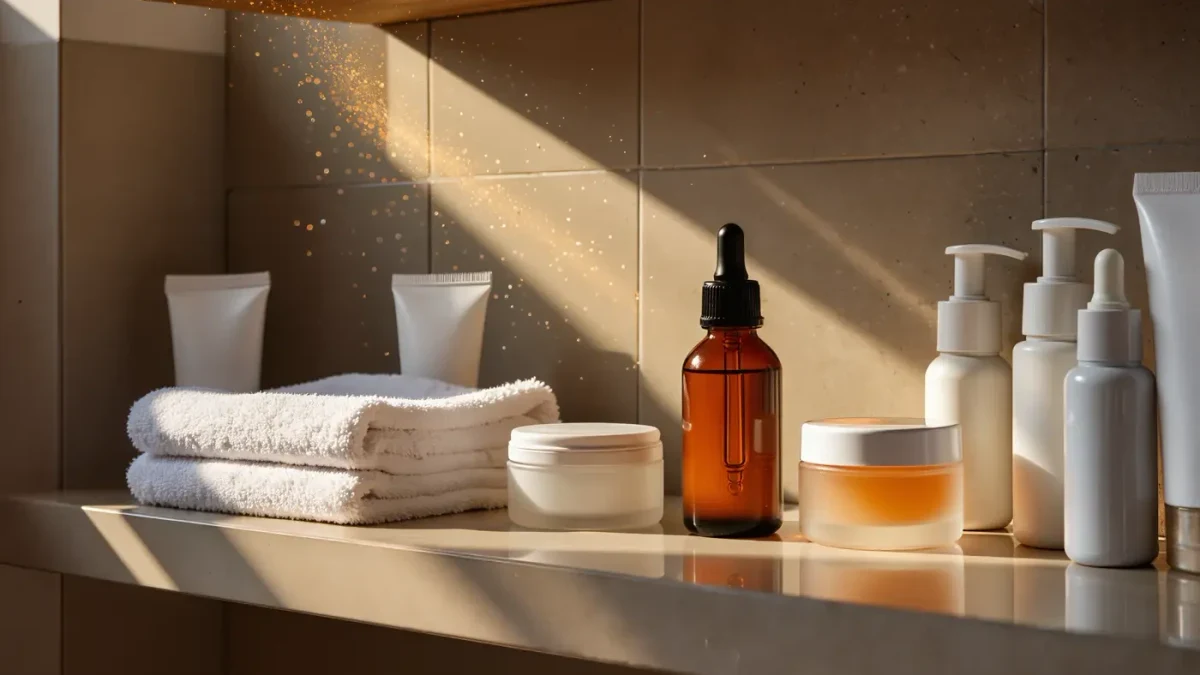
The one place premium pricing buys function is packaging: airless pumps and opaque tubes genuinely slow oxidation. L-ascorbic acid oxidizes on exposure to light and air, so the delivery system protects your money after purchase in a way a fancy box never will.
How do you know if a serum has already oxidized?
Fresh L-ascorbic acid serum is pale straw to light orange. As it oxidizes it darkens toward deep amber or brown. Cosmetic chemists generally treat a darkened serum as spent: the percentage on the label no longer describes what is in the bottle. Practical shopping rules follow:
- Buy the smallest size you will finish in about three months once opened.
- Prefer airless or opaque packaging at any price tier.
- Store the bottle cool and dark, not on a sunny windowsill.
- Treat a clear-dropper bargain serum with suspicion if you cannot see the color — or use the visibility to check it, one way or the other.
How should you compare two serums at the shelf?
- Find the form in the INCI list. L-ascorbic acid versus a named derivative. Compare percentages only within the same form.
- Check the studied range. For L-ascorbic acid, 10–20 percent is the published plateau; a "25 percent" claim is marketing beyond the evidence.
- Look for pH documentation on the brand's product page, ideally near 3.5 for L-ascorbic acid.
- Score the packaging. Airless and opaque beats clear and droppered, whatever it costs.
- Divide price by size and by expected usable life — a $15 serum that oxidizes in two months can cost more per active month than a $45 one that stays stable for six.
Bottom line
The percentage on a vitamin C serum is one variable among four that matter: form, pH, packaging, and freshness. Published dermatology research puts the useful L-ascorbic acid range at 10–20 percent at low pH, so a label claiming more is selling you a bigger number, not more vitamin C delivered. Spend on stability and a size you will finish, and treat the percentage as the start of the comparison, not the end.