The Federal Trade Commission announced on March 11, 2026 that it is sending checks totaling more than $47.2 million to 444,131 consumers, resolving its case against Invitation Homes over undisclosed rental fees and unlawful charges. The company had agreed to pay $48 million in consumer compensation after the FTC sued in 2024, alleging that tenants were quoted one price and billed another through fees that never appeared in the advertised rate. If you rented from the company between January 2021 and September 2024 and paid $45 or more in certain fees, a check may already be in the mail — no claim form required.
Why a landlord settlement matters to every shopper
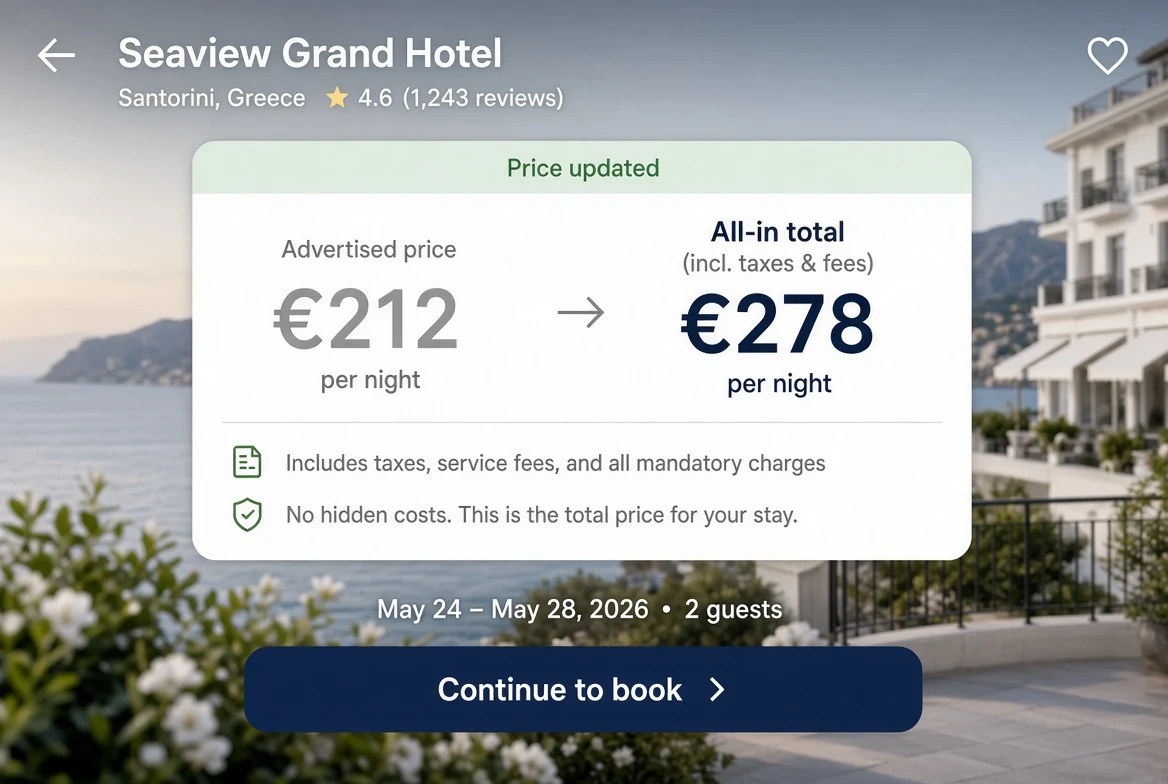
Junk fees are not a rental-industry quirk; they are a pricing strategy, and the rental case is the cleanest illustration of the mechanics. The pattern is always the same: advertise a low base price, then recover the margin through mandatory charges introduced after you have committed — "smart home" fees, "convenience" fees, processing charges for paying rent. Retailers run the identical playbook with service fees, handling fees and "resort"-style add-ons. When a regulator extracts $47.2 million over it, the enforcement signal travels to every industry that uses the same math.
How do you know if a fee is legal?
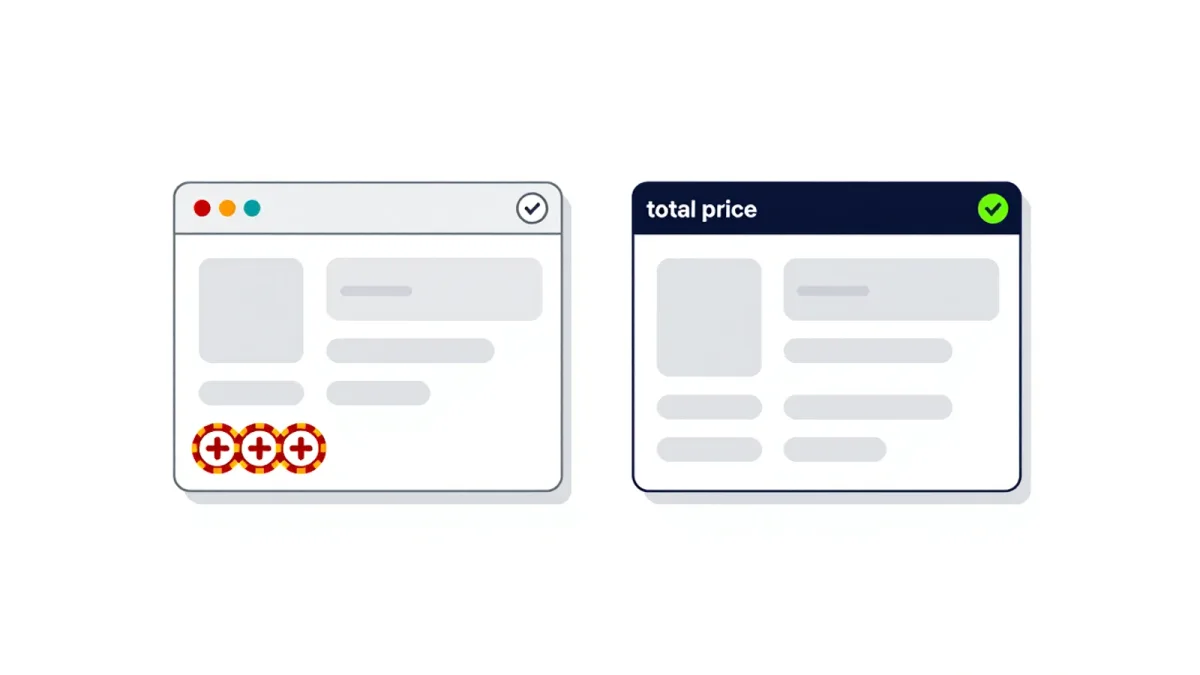
The dividing line the FTC drew in this case is disclosure and consent. A fee that is clearly disclosed in the advertised total price, before you sign or pay, is ordinary pricing. A mandatory fee revealed after you have committed — or a fee for a service you never agreed to receive — is the pattern that courts and regulators treat as deceptive. Practical test for any transaction: add up the full out-the-door cost before you say yes. If the number you can assemble is higher than the number being advertised, someone is running drip pricing on you, and the receipt you keep is your evidence if a refund program ever appears.
What to do if you think you overpaid somewhere else
Refund programs like this one usually reach consumers automatically when the defendant's records identify who paid — that is why the Invitation Homes checks require no application. For cases where no enforcement action exists, your tools are slower but real: dispute the charge with your card issuer for fees not disclosed at signing, file a complaint with the FTC and your state attorney general, which builds the record future cases rely on, and document the advertised price with a screenshot at the moment you book or sign. Refund eligibility windows in these settlements are typically measured in years, so saved records pay off late.
The honest takeaway
The base price is becoming an advertisement rather than a promise. Whether you are signing a lease, booking a flight or checking out online, the quoted number is the start of the negotiation with the total, not the end of it — and the $47.2 million just mailed out is what that gap cost one company.
prices and policies change; check the retailer's current terms.