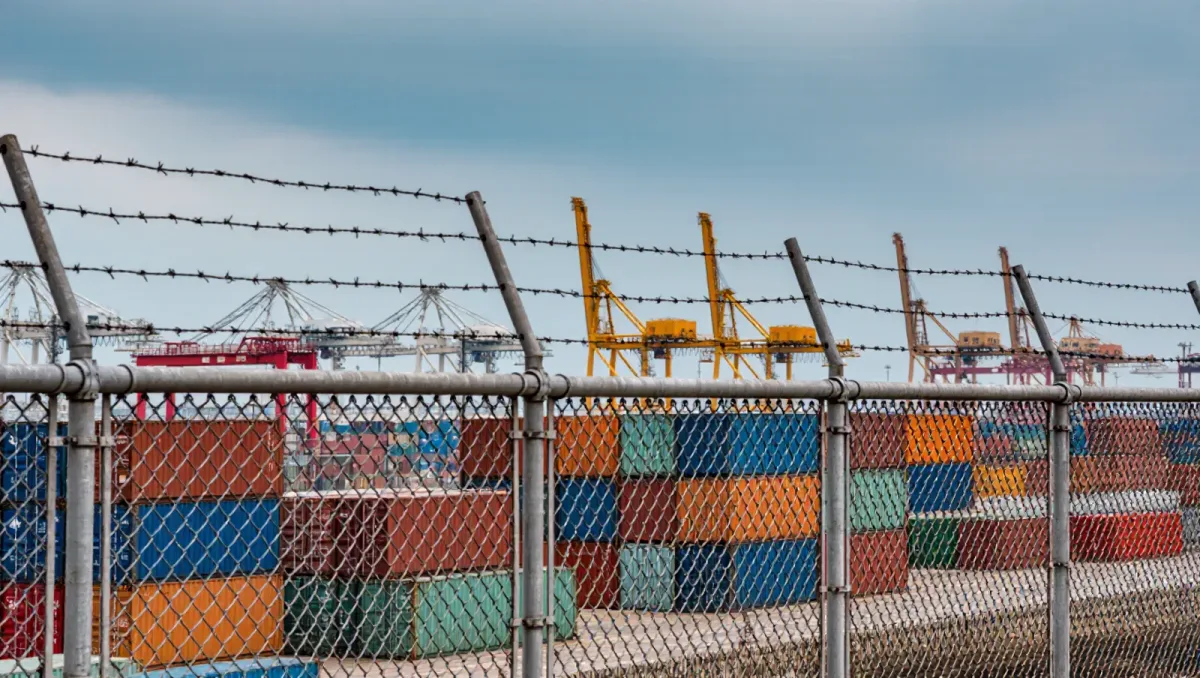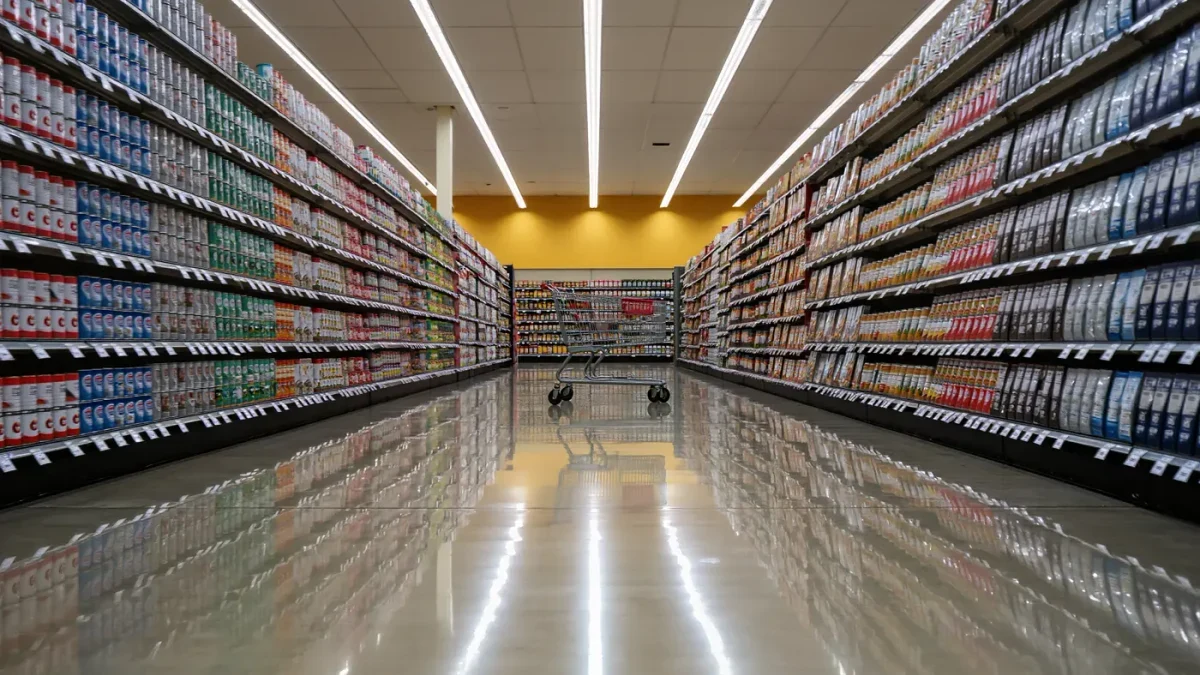
Walmart exited the first full tariff year in a stronger position than its major rivals, according to a Reuters analysis published on May 19, 2026, which credited the company's scale, online growth and new paid loyalty programs — with analysts polled by LSEG expecting net sales up 5.5 percent to about $175 billion for the quarter ahead of its report. The consumer-facing lesson sits in that mix: the country's largest retailer absorbed tariff pressure through business-model changes rather than visible price spikes, which reshapes where bargains actually live and what a rollback sign is worth.
How does the biggest retailer absorb tariff costs?
Three levers did the work. Scale gives Walmart negotiating power over suppliers that mid-size chains cannot match, so a given tariff costs it less per unit. Online growth — including grocery pickup and delivery — moves sales into channels with better margins and richer data. And paid membership programs, like Walmart's own delivery subscription, convert loyalty into a recurring fee, which is revenue that arrives before a single item is sold. When you hear that a giant retailer "ate the tariffs," read it as: it changed its revenue mix so it needed fewer price increases, not that costs vanished.
What does this mean for prices you actually see?
It means the gap between value retailers and everyone else widened through the tariff period. Smaller chains with less buying power passed more of their cost increases to the shelf, while the largest player could hold select prices — the famous loss-leader rollbacks — as advertising. Compare like for like before assuming the big box is cheapest: unit prices on national brands at a value retailer are often close to, and sometimes above, sale prices at a conventional supermarket or an off-price chain. The rollback sign is a marketing instrument aimed at where you are looking, not a statement about the whole store.
Are paid membership fees a good deal for one household?
Run the math on your own order history, not the brochure. A delivery or membership fee only pays if it replaces spending you were doing anyway: per-delivery fees, fuel, and the impulse purchases of an in-store trip. If you shop weekly and order reliably, a paid program can genuinely cut cost per order. If your basket is small or infrequent, the fee is a surcharge wearing a benefits costume. The tariff-year shift Reuters described means retailers of every size will keep pushing these programs, because recurring fees are exactly what made the model resilient — which is a reason to evaluate them carefully, not a reason to buy one.
The takeaway for comparison shoppers
A tariff shock tests retailers the way a stress test tests banks: it reveals who has margin to flex and who passes everything through. The current answer, per the May 2026 analysis, is that scale won. Your countermove is unchanged and boring — unit prices over sale signs, membership fees justified by your own receipts, and skepticism toward any rollback placed at eye level.
prices and policies change; check the retailer's current terms.