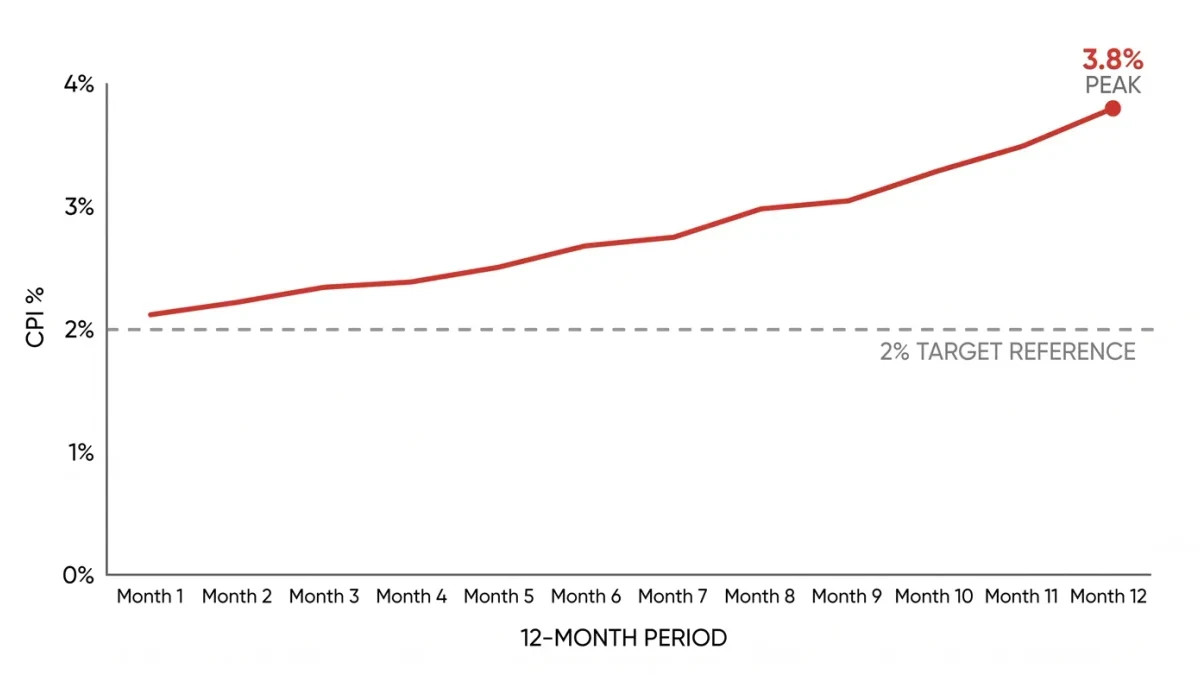
US consumer prices rose 0.6 percent in April 2026, and the annual inflation rate posted its largest gain in three years, according to the Consumer Price Index report released on May 12, 2026. What made this print different was not just the size but the width: prices increased broadly across categories rather than concentrating in one volatile sector. Energy costs drove much of the move, but goods and services away from energy also climbed. For shoppers, a broad rise is the kind that actually reaches your receipt, because there is no offsetting category to shift your spending into.
Why a broad rise hits harder than a narrow one
Inflation you can route around is manageable. When beef gets expensive, you buy chicken; when one category spikes, substitution keeps your basket affordable. A broad advance removes that exit. When groceries, household goods and services all drift up together, the same cart costs more no matter how you compose it, and the only levers left are timing, quantity and brand switching. That is why this report matters more than its headline number: it describes a market where waiting for a category to cool is no longer a strategy.
What does this mean for sales and discounts?
Rising input prices usually squeeze the promotional calendar before they squeeze shelf prices. Retailers facing higher costs protect margin first by trimming discount depth and shortening sale events, then by raising prices. If you have noticed that "40 percent off" events feel weaker this spring, the data pattern is consistent with that: list prices rising means a percentage discount is taken from a higher base, which quietly does part of the inflation work in advance. Price-sensitive shopping shifts from chasing sale signs to tracking actual unit prices — the number on the shelf tag per ounce or per sheet, which survives the percentage games.
How should you time purchases now?
Broad inflation does not make every purchase urgent; it makes deferrable purchases costlier to defer. The items most exposed are replacements you genuinely need — appliances, tires, groceries you buy weekly. For those, buying sooner rather than later is a mild hedge, especially for durable goods where model-year changeovers otherwise produce reliable discounts. For discretionary wants, the opposite holds: a softening consumer is the environment in which retailers eventually discount to drive traffic, and slower growth in spending data historically forces promotions back into the calendar. Let necessity set the timing, not the headlines.
What to watch in the next report
One month is a data point, not a trend, and energy-driven spikes can reverse as quickly as they arrive. The signal to watch in the May and June CPI reports is whether core categories — food at home, apparel, household goods — continue rising after energy is stripped out. If they do, the broad advance is embedded and promotional calendars stay thin. If they fade, this print was a temporary shock. Either way, the unit price on the shelf tag remains the only number in the store that never exaggerates.
prices and policies change; check the retailer's current terms.