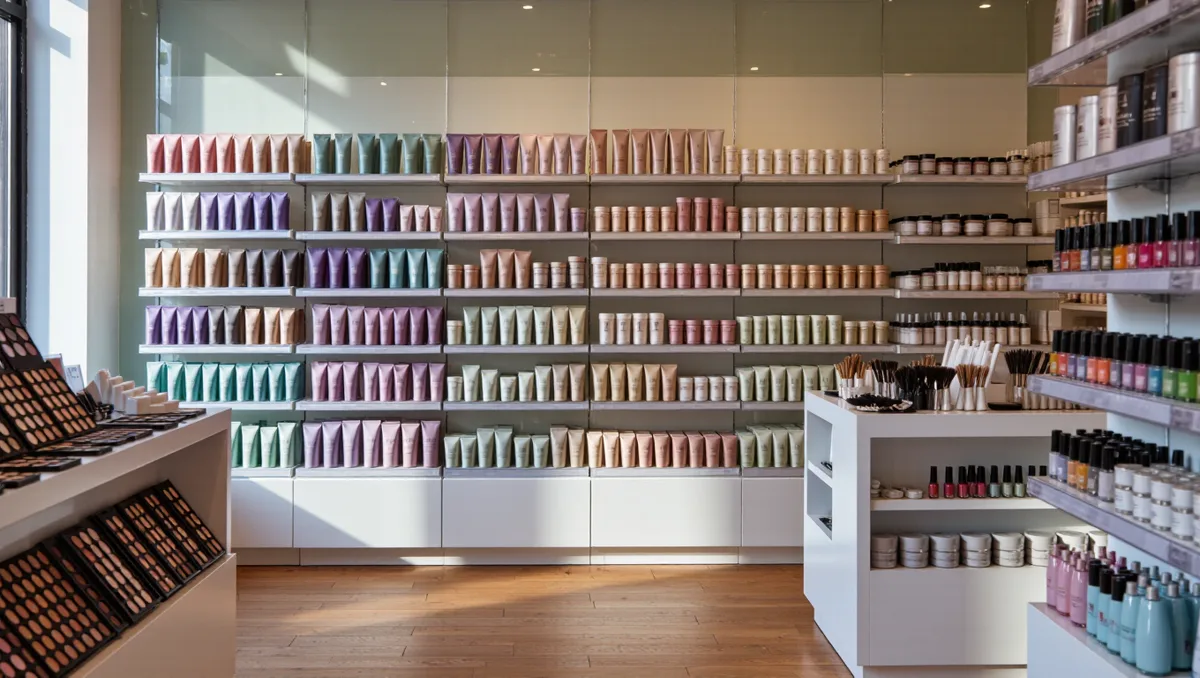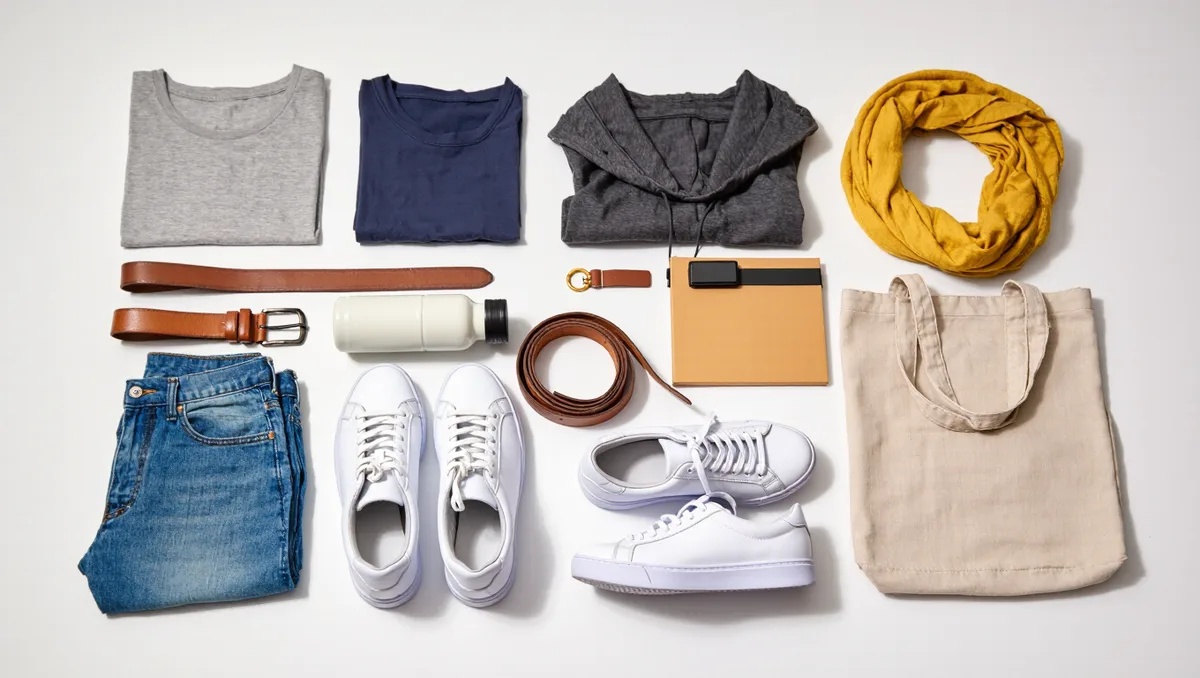
Big-box stores win when you know exactly what you want and price is the only question left. Specialty stores win when you need judgment: a fit, a fabric, a repair, or an honest answer about whether something suits you. Neither is better in general. Each is better at a specific job.
The trick is matching the purchase to the store, not picking a side. A cart of basics belongs in a big box. A coat you expect to wear for a decade belongs somewhere a person can tell you why the shoulder seams sit where they do. Most households already split this way without naming it.
This guide breaks down what each type actually does well, where the hidden costs hide, and a simple way to decide before you shop. If you follow retail pricing mechanics, you already know the sticker price is rarely the whole story — the same is true of store type.
What does a big-box store actually do well?
Big-box retail is built on scale. A large chain buys in enormous volume, spreads its costs across thousands of stores, and passes part of that advantage to you as lower shelf prices. That is the core deal, and it is real. When two stores sell the same national brand at different prices, the big box usually wins.
Scale also buys breadth. One trip can cover basics across many categories, which saves time and — if you resist extras — saves money. For commodities, meaning items where the brand and model are identical everywhere, there is little reason to pay more elsewhere.
The trade-offs show up in service depth. Floor staff are often generalists covering wide sections, and turnover can be high. That is fine when you need a pack of socks. It matters when you need to know whether a knit will pill or a zipper will survive a season.
Returns are usually straightforward and standardized, which is a genuine strength. Our guide to how long you actually have to return something, by retailer shows how much these windows vary — and big boxes tend to publish clear, uniform rules.
What does a specialty store give you that a big box can't?
A specialty store's product is partly the expertise. The owner or staff buy the assortment themselves, use what they sell, and can explain construction, care, and fit in specifics. That knowledge is why their prices run higher: you are paying for curation and judgment, not just goods.
There is a classic illustration of why this matters. In the 1988 film Big, a boy working at a toy company wins over the owner at a toy store by showing which products are genuinely fun — the scene at FAO Schwarz, where he and Mr. MacMillan play duets on the floor piano, is the film's most famous moment. The plot point works because it shows what a specialty retailer does: it knows the product from the customer's side. According to Wikipedia, the film's hero earns a promotion by challenging executives that a proposed toy simply is not fun — the kind of product judgment a specialist is hired to supply.
Specialty shops also carry items the mass market skips: better base materials, less-trendy cuts, small brands, and alterations or repairs. If your goal is a long-life wardrobe, that assortment is the draw. Fewer, better things usually beat a closet of cheap churn — the argument we make across our value coverage.
The cost side is honest but real. Expect higher prices on comparable items, and a smaller selection of colors and sizes. You trade choice for confidence.
Where do the hidden costs of each type hide?
Big-box pricing looks simple, but two costs hide in plain sight. The first is the trip itself: driving to a distant store, buying more than you planned, and returning what didn't work all cost time. The second is quality drift. A category that was once solid can quietly shift to lighter materials while the price holds — and a generalist can't always tell you what changed.
Specialty stores hide costs differently. The obvious one is the premium itself. The subtler one is fit risk on items bought without trying them, or on brands you don't know. Ask about the return policy before you commit; a small shop's terms can be stricter than a chain's, and they vary widely. Our explainer on how online returns actually work covers the legal baseline, but a shop's own policy can be tighter than the law requires.
There is also a durability question on both sides. Chains close stores and exit categories; liquidations across apparel retail in recent years have left shoppers with gift cards that lost value mid-sale. We tracked several of those, including Eddie Bauer is liquidating every store, and sales end by April. Small shops close too, but a good one tends to be embedded in a community in a way that gives you early warning. We covered a connected angle in Eddie Bauer is liquidating every store, and sales end by April.
Which purchases belong in which store?
Use this split as a starting point, then adjust for your own priorities.
- Big box: basics you replace on a schedule — socks, tees, bedding, cleaning supplies, luggage you use twice a year, anything where the brand and model are identical across sellers.
- Big box: commodity electronics and appliances, where the spec sheet tells you everything and service comes from the manufacturer's warranty.
- Specialty: garments where fit and fabric decide the outcome — coats, shoes, denim, suiting, anything you expect to keep for years.
- Specialty: categories where advice changes what you buy — skincare with real ingredient questions, technical gear, furniture you will live with.
- Either: gifts. A big box works when you know the person's exact taste; a specialty shop works when you need help choosing.
One caution applies everywhere: watch the markdown, not the sign. Chains run perpetual sales with inflated reference prices, and a "70% off" tag can sit beside a price that never moved. Check what the item actually cost before, at this retailer, before treating a discount as a verdict. Our deals coverage does this math on specific listings, and the same habit works in any aisle.
What this means for your money
Our analysis: treat store type as a tool, not a loyalty question. Send commodity purchases to the big box without guilt. Send the purchases where being wrong is expensive — in money or in wear — to the specialist, and use the specialist's knowledge even when you buy later elsewhere. Asking detailed questions in a specialty shop, then price-checking the exact item online, is not rude. It is how the two formats can work for you at once.
What the evidence here does not settle is pricing on any specific item: markups vary by category, brand, and season, and no general rule replaces checking the actual listing. The durable part is the split itself. Buy the easy things cheaply. Buy the hard things advisedly. A wardrobe built that way tends to cost less per wear than either extreme alone.