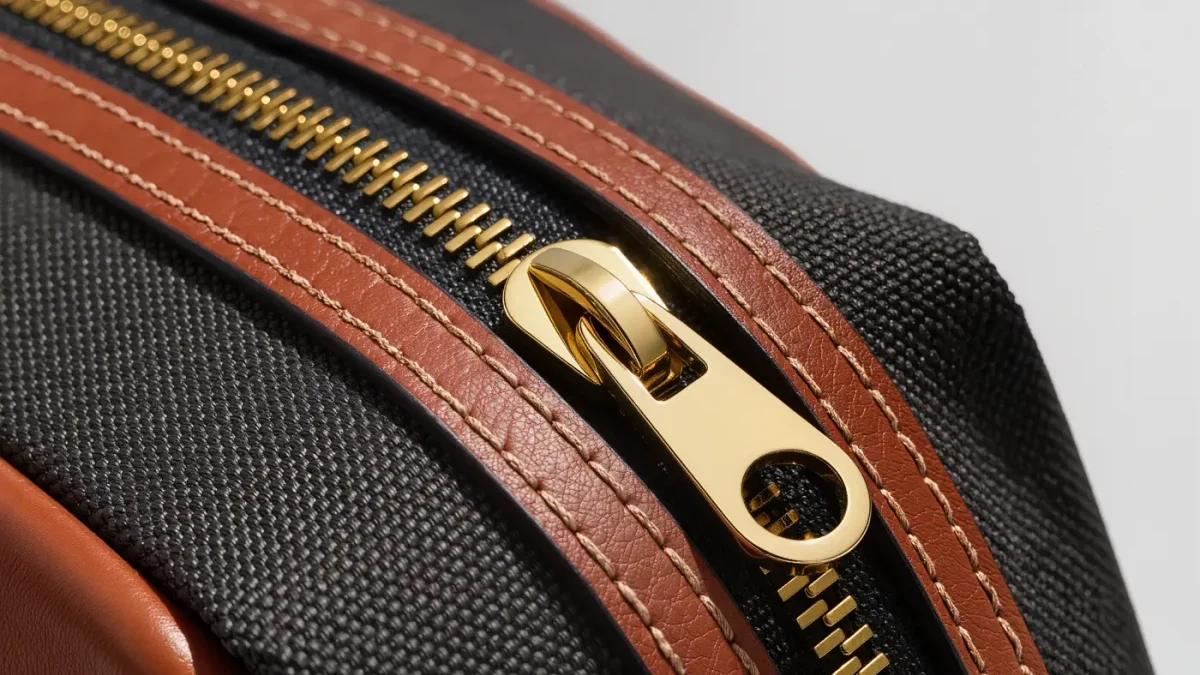
A "lifetime warranty" does not mean what most shoppers assume. It usually covers the lifetime of the product as the manufacturer defines it - not your lifetime, and not a legal minimum - and it typically covers defects in materials and workmanship, not the wear your use inflicts on the item. A zipper that splits under normal use in year two is a claim; a strap that thins and frays after five years of daily commuting is, in most policies, "normal wear and tear" and explicitly excluded. Read those two distinctions - whose lifetime, and defect versus wear - and you can evaluate any lifetime warranty claim in about a minute.
The legal backdrop is thinner than people expect. The Magnuson-Moss Warranty Act (1975) governs how written warranties on consumer products must be disclosed and prevents warranty terms from being misleading, and the FTC enforces it, but the Act does not define "lifetime" for you. If the term is ambiguous, courts in many states construe ambiguity against the company - but that is a remedy of last resort, not a shopping plan. The company's own warranty document is the contract; here is what to look for in it.
Whose lifetime is covered, exactly?
Manufacturers use the word at least three ways. "Lifetime of the product" means as long as the item functions for its intended purpose - a definition that can exclude a product that fails prematurely but still technically "works." "Lifetime of the original owner" is stronger but usually requires you to be the first buyer and to keep proof of purchase. "Limited lifetime" means the strongest terms apply only to specific components - often the hardware - while fabrics, coatings, and electronics carry shorter coverage. None of these is dishonest, but a tag reading "guaranteed for life" with none of the qualifiers is an invitation to read the actual warranty page before you pay a premium for it.
What counts as a defect, and what counts as wear?
This is where most claims die. Warranty language almost universally excludes damage from misuse, accidents, modifications, improper cleaning, and "normal wear and tear." The gray zone is wear that reveals a defect: stitching that unravels along a seam in month six is arguably a workmanship defect; the same unraveling in year four is arguable both ways. Companies resolve the gray zone in their own favor unless the failure pattern is clearly systematic, so your practical position depends on documentation - photos of the failure, the purchase date, and a description of use. Some reputable makers have informal goodwill policies that repair wear items beyond the letter of the warranty; that behavior is a brand trait worth checking in reviews, because it is where the warranty's real value lives.
What does a claim actually require?
- Proof of purchase. Many lifetime warranties cover only the original buyer; no receipt, no claim. Screenshot the order confirmation and file it where you will find it in five years.
- Registration, sometimes. Registration is not legally required for warranty validity in most cases, but it simplifies proof-of-purchase questions.
- Shipping, often at your cost. Many warranties require you to pay freight to the repair depot - on a $40 item, that can exceed the replacement value.
- Evaluation and sole discretion. The manufacturer judges whether the failure qualifies. Read reviews and forums for how a specific company behaves in claims, not just what the paper promises.
- Remedy limits. Typical remedies are repair or replacement, sometimes with a comparable (not identical) product; refunds are rare in warranty terms.
Is a lifetime warranty worth paying extra for?
Sometimes, and the honest test is failure frequency rather than promise strength. A lifetime warranty adds real value on items with a known failure mode the maker actually covers - zippers, hardware, seams - from companies with a working repair operation. It adds near-zero value on items whose failures fall into excluded categories, like fabric UV degradation or battery capacity loss, which is why "limited lifetime" electronics warranties cover little of what actually breaks. As an example calculation (illustrative, not market data): a $180 bag with a genuinely honored lifetime hardware warranty and one $30 zip replacement in year four beats a $90 bag replaced twice - but only if the claim process costs you less than the second bag. The warranty is worth a premium only when the maker's claim behavior, not the tag, supports it.
How should you read a warranty before buying?
Find the actual warranty document - usually a PDF on the brand's site, not the marketing page - and check four lines: how "lifetime" is defined, what is excluded, who pays shipping, and what the remedy is. If the phrase "warranty of the product's usable life" appears, understand it as the company reserving the right to decide when that life ended. And note the legal floor the warranty sits on: even where a written warranty is absent or weak, state implied warranties of merchantability may still apply, though many are limited in duration and several can be disclaimed under federal rules - which is one more reason the written document, not the label, is the deal.
Warranty terms vary by brand and jurisdiction and are subject to change; the four-line check above takes less time than the checkout.
How do lifetime warranties compare with "satisfaction guarantees"?
Do not confuse the two, because retailers rely on the blur. A warranty covers defects; a satisfaction guarantee covers regret — "return it any time if you are not happy" — and is governed by return policy rather than warranty law, including whatever time limits and condition requirements the store sets. Some outdoor and luggage brands offer both, and the combination is genuinely strong: the guarantee handles the first ninety days of "this does not fit my life," and the warranty takes over when a seam fails in year three. But marketing copy often merges the language — "guaranteed forever" — so check which document you are actually reading. A satisfaction guarantee with no time limit is the rarer and more valuable promise; a warranty with a broad wear exclusion is the commoner and weaker one.
A third relative deserves its own note: extended warranty plans sold at checkout. These are separate paid contracts, usually administered by a third party rather than the manufacturer, and consumer advocates have long criticized them for duplicating the manufacturer's own coverage during the years failures are rarest. If you already hold a solid lifetime warranty on hardware and defects, the paid extension rarely adds coverage you lack — it mostly adds a claims intermediary. Decline it, keep your receipt, and spend the difference on the maintenance the original warranty assumes.