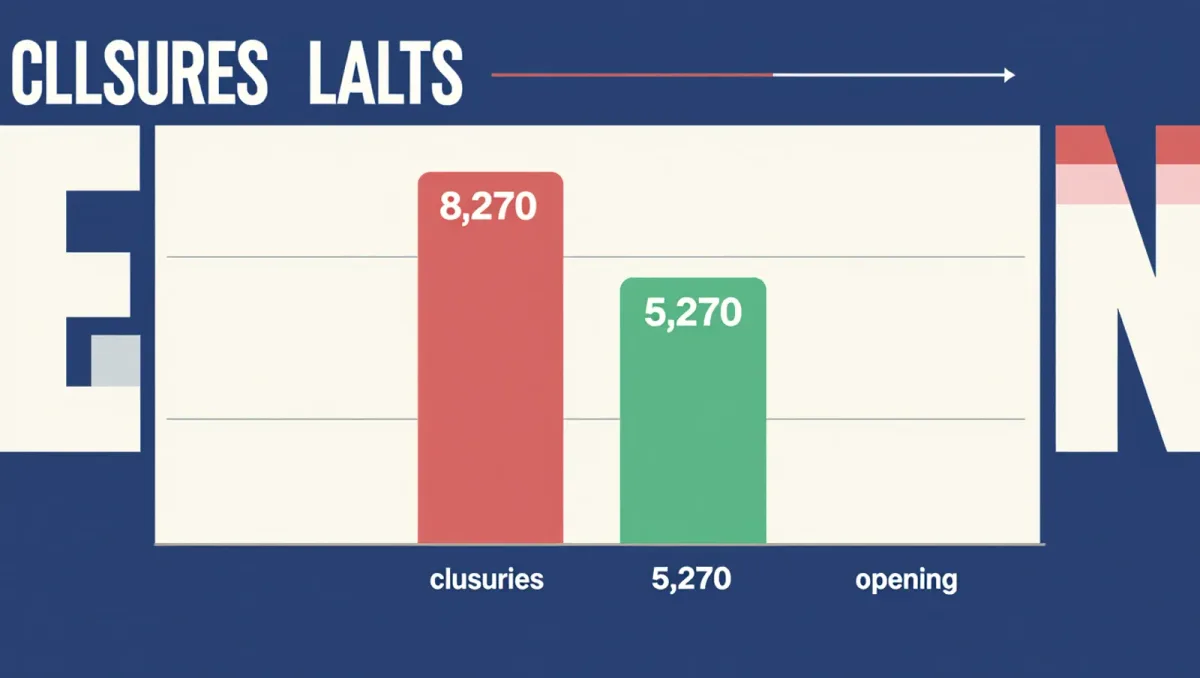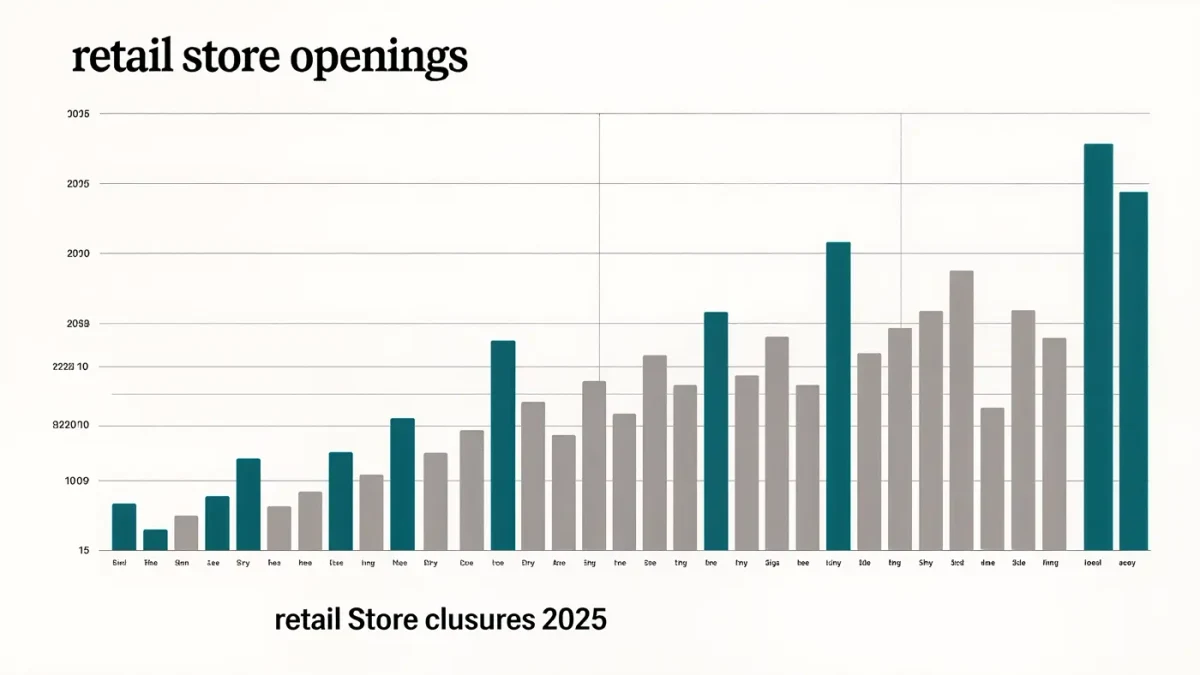
The US lost roughly 3,000 net stores in 2025: Coresight Research's year-end tally, published on January 27, 2026, counted 8,270 closures against 5,270 openings. That is an improvement over 2024's tally, but the direction is unchanged — fewer physical stores, concentrated in chains that were already struggling. For you, this translates into three practical effects: thinner selections at your local mall, going-out-of-business sales that are worse than they look, and more of your purchases routed through a smaller number of surviving retailers.
Why going-out-of-business sales rarely save you money
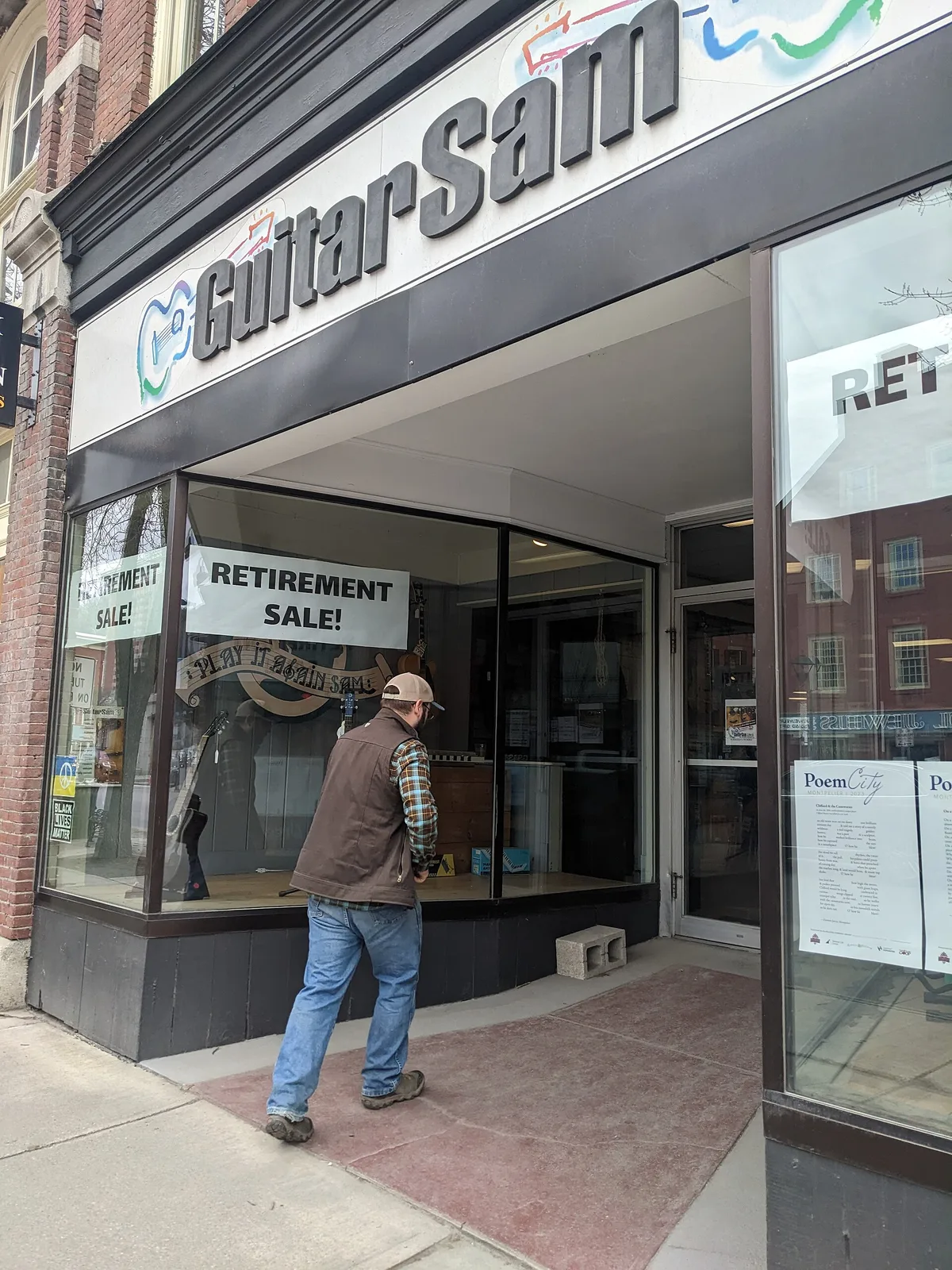
When a chain liquidates, the closing discounts usually start at 10 to 30 percent and climb slowly, because liquidators price against the assumption that regular customers will keep coming. Meanwhile return policies end almost immediately — everything becomes final sale, often from the first closing announcement. The merchandise is frequently picked over before the discounts get interesting, and gift cards can expire on a court-approved schedule. If a store near you announces closure, the useful move is checking whether anything you already needed is marked below its normal sale price, not treating the event as a shopping opportunity.
Which kinds of stores are closing
The 2025 losses were not spread evenly. The categories that closed the most doors share a profile: big-box footprints selling commoditized goods, chains already through bankruptcy, and drugstore clusters built on expansion plans from a decade ago. The stores opening tend to be larger-format locations from dollar, grocery and off-price chains — meaning the physical retail you have access to is consolidating into fewer, bigger boxes. Small-format specialty stores, the kind where staff expertise justified the trip, are the quiet losers in this trade.
What a shrinking store count means for prices
Consolidation cuts both ways. Fewer competitors in a local market generally means less price pressure — if two chains within driving distance become one, the survivor has less reason to discount. On the other hand, the surviving large chains compete harder online, where your zip code matters less. The practical read: local price competition weakens as store count falls, so comparison tools and price-adjustment policies become more valuable, not less. Check them before you buy anything expensive from the last retailer standing in your area.
How to protect yourself during a closure cycle
Three habits cover most of the risk. First, do not stockpile gift cards for retailers broadcasting financial trouble — spend them promptly or convert them through a resale marketplace at a small loss. Second, read the receipt at any closing sale: "all sales final" removes your usual return window entirely. Third, when a favorite local store closes, look up the brand's own website before assuming the product is gone; many brands that close retail doors keep selling direct, sometimes with their own promotions to catch displaced customers.
prices and policies change; check the retailer's current terms.