If you want a winter coat at its lowest price of the season, the documented window is mid-January through early March: this is when outerwear moves from ordinary sale pricing into final clearance, and when remaining stock is commonly cut 50 to 80 percent off list. The trade-off is selection — by the time the deepest discounts land, the popular sizes and colors are usually gone. Prices and timing in this article reflect documented US retail markdown patterns as of January 2026; prices are subject to change after the date shown.
What does the winter coat markdown calendar look like?
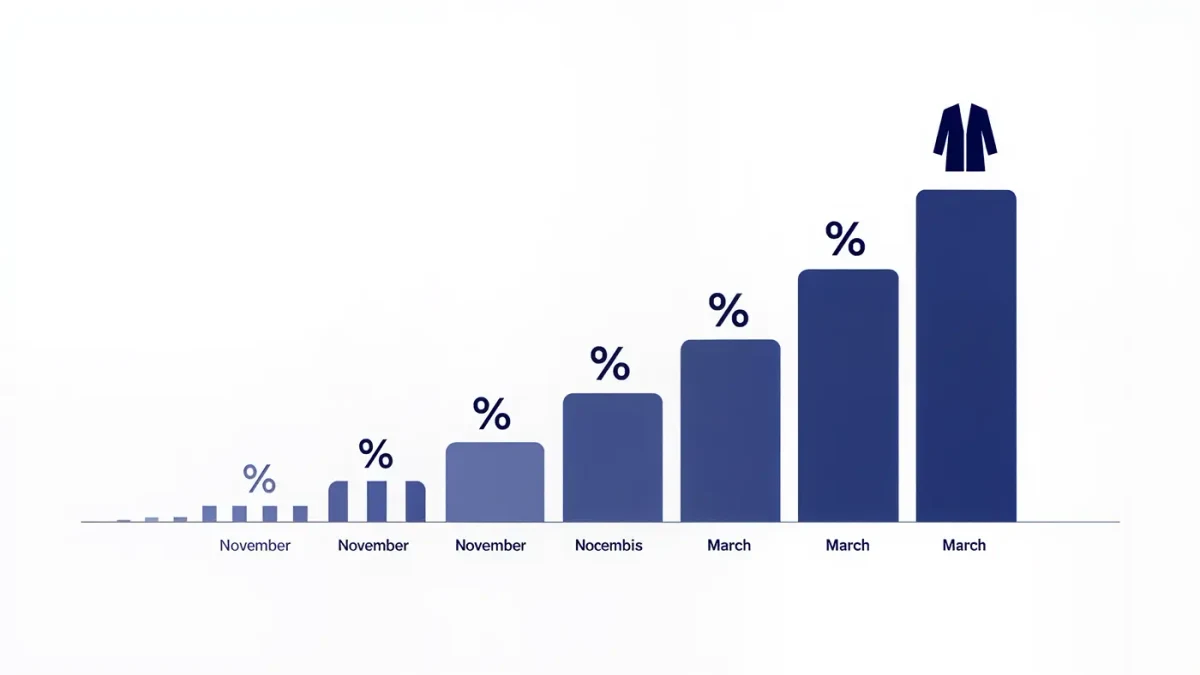
Apparel retailers in the United States follow a seasonal markdown rhythm that has been stable for years, because it is driven by lease calendars, spring floor resets and the fiscal quarter rather than by weather. A typical season runs like this:
| Period | What is happening | Typical discount |
|---|---|---|
| October–November | Full-price season, occasional promo codes | 0–20% (usually via code) |
| Late November–December | Holiday promotions; discounts widen but rare-but-popular stock still available | 25–40% |
| Early–mid January | Post-holiday clearance begins; first true markdowns on outerwear | 40–60% |
| Late January–February | Core final-clearance window; retailers clear floor space for spring | 50–80% |
| March | Remnants move to outlets and off-price channels; sizes break down badly | 60–80%+ |
The mechanism is simple: a coat that misses its season loses value fast, and retailers would rather convert it to cash than store it for ten months. That is your leverage.
Is the January discount already the final price?
Not usually. In the first half of January you will see 40 to 60 percent off on outerwear, but the deepest cuts of the season historically arrive in the last two weeks of January and the first half of February. If a coat you want is at 50 percent off on January 20 and still available in your size, you have a genuine decision to make: buy now for certainty, or wait two to three weeks for a likely lower price with real risk the size disappears. On classic colors (black, camel, navy) in common sizes, waiting usually loses. On bright colors, unusual sizes or fashion cuts, the wait is often rewarded because those are the pieces that end up in clearance.
How much did the coat actually cost before the sale?
This is where coat clearance needs more skepticism than bedding or electronics. Outerwear is a category with a documented history of inflated list prices — a "was $395, now $119" coat may never have sold at $395 in meaningful volume. Two checks help:
- Compare against the brand's own outlet or last-season listing. If last year's version of the same coat cleared around $130, a $119 clearance is a modest discount, not a genuine cut.
- Check the SKU, not the brand. Many premium labels produce separate lines for different price tiers. A clearance coat from a made-for-discount line is priced like a discount coat from day one, and the percent-off figure is marketing arithmetic.
A practical anchor: for a mid-tier branded winter coat with a documented list price in the $200 to $300 range, a genuine final-clearance price historically lands between $60 and $120. If the clearance price is above that band, you are still paying a mid-season price and can keep waiting or skip it.
When should you stop waiting and just buy?
Buy when two things are true at once: the price has crossed roughly 60 percent off the verifiable list price, and the coat exists in your size at a retailer with free returns. A returnable clearance coat at 60 percent off beats a speculative 75 percent off you may never see in your size. If the coat is final sale, raise the bar further — a fit mistake on a final-sale garment is a permanent purchase.
Who should skip the winter coat clearance altogether
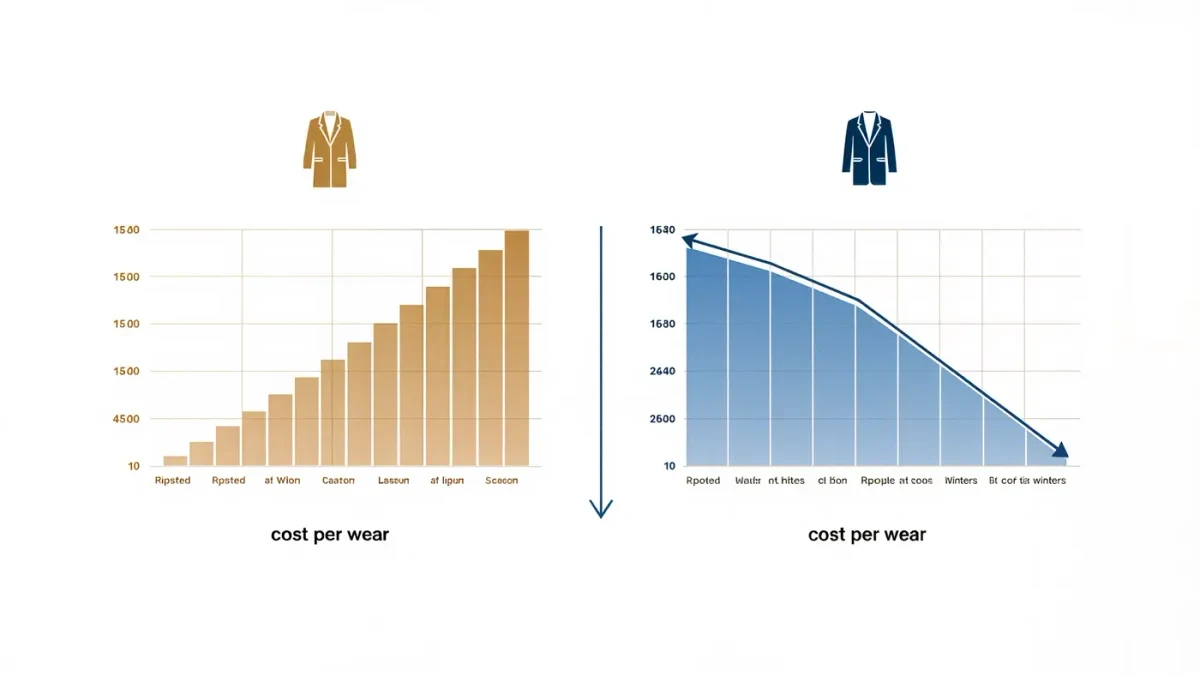
Skip this if your current coat works. A $90 coat you do not need costs more than a $300 coat you wear for five winters. Skip it also if you need a specific technical feature — extended sizing, a particular waterproof rating, petite or tall lengths — because those variants leave floors first and rarely survive to final clearance. And if you are shopping for next winter in, say, June, do not expect coat aisles: off-price retailers carry outerwear out of season, but the assortment is what escaped clearance, not the best of it.
The coat clearance calendar rewards two temperaments: decisive buyers in late January, and patient shoppers who accept whatever is left in February. Everyone in between pays mid-season prices.
Set a target price now, check the rack weekly through February, and let the calendar do the haggling for you.