On Valentine's Day, the fee stack matters more than the bouquet price: documented practice among major flower delivery services adds a delivery charge plus a service or care fee, typically $15 to $30 combined on a mid-priced order, with surge pricing on February 13 and 14 pushing some delivery fees above $20 on their own. A $50 arrangement advertised at the top of the page has historically checked out around $75 to $85. Fees described here reflect documented pricing practices of major US flower delivery services as of February 2026; prices are subject to change after the date shown.
What exactly are you paying for beyond the flowers?
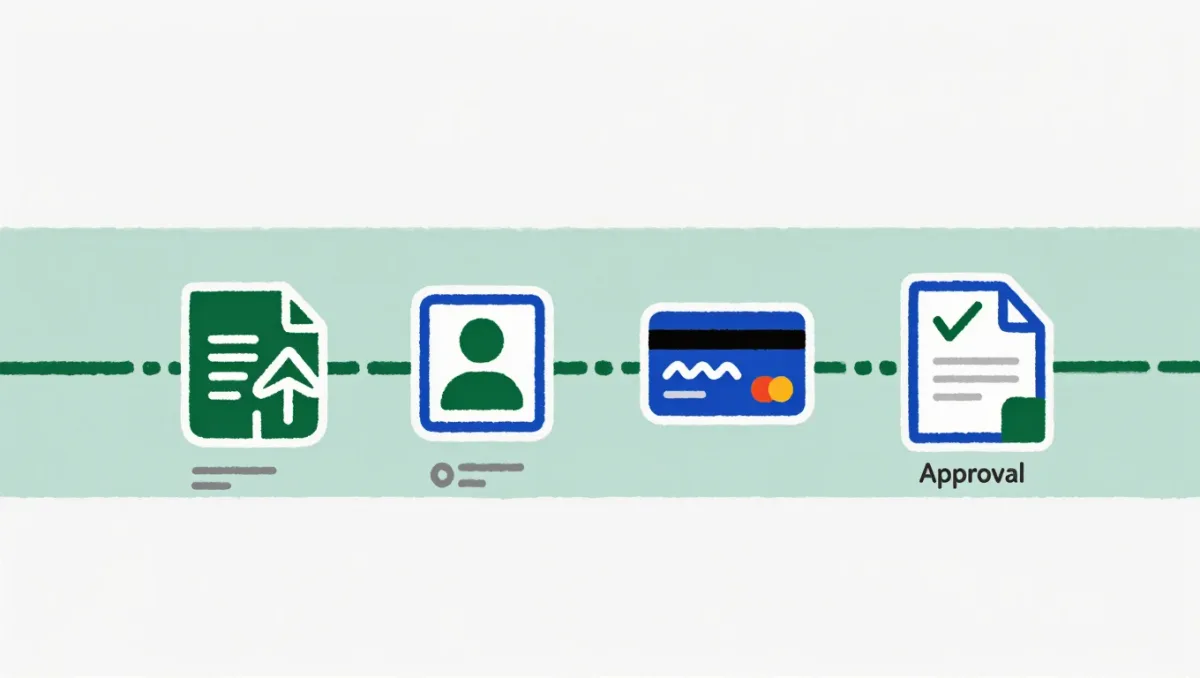
The checkout on a typical national flower delivery site stacks four charges, and only one of them is the arrangement:
- The bouquet price — the number in the headline, usually without a vase despite the product photo.
- Delivery fee — commonly $10 to $20 on regular days; on February 13–14, demand surge has pushed documented fees toward $25 to $30 at some services.
- Service, care or handling fee — a second, separate fee, often $3 to $18, charged "for the care and handling of your arrangement." It funds nothing you can see; it is margin with a friendlier name.
- Taxes — applied on the full amount including some fees, depending on the state.
Read that stack against one documented industry fact: roughly 250 million roses are produced for Valentine's Day in the United States each year, according to the Society of American Florists, and the demand spike is concentrated in about three days. That concentration is the entire reason fees surge — delivery capacity, not flower supply, is the bottleneck on the holiday itself.
How the math works on a real order
Here is an illustrative breakdown of a typical mid-priced order — figures are representative of documented fee ranges, not a quote for any specific service:
| Line item | Normal week | February 13–14 |
|---|---|---|
| Bouquet (headline price) | $50 | $50 |
| Vase (if not included) | $0–12 | $0–12 |
| Delivery | $10–15 | $20–30 |
| Service/handling fee | $3–10 | $8–18 |
| Effective total | ~$63–87 | ~$78–110 |
The pattern to remember: on the holiday itself, fees can add 55 to 120 percent to the headline price. The bouquet barely changes; the fees do.
Three documented ways to cut the fee stack
- Shift the date. Delivering on February 11 or 12 instead of the 14th has historically avoided most of the surge and the "guaranteed holiday delivery" upcharge. Receiving flowers two days early also means they are at peak bloom on the day itself rather than arriving stressed from a packed delivery van.
- Buy local and deliver yourself. A supermarket floral department or a neighborhood florist sells comparable roses for a fraction of the national-service total, and a hand delivery costs one trip. This is the single biggest saving in the entire exercise.
- Compare the total, never the bouquet. Put the same arrangement in the cart at two services and read the final number before fees and taxes. The service with the cheaper headline price is not reliably the cheaper order.
Who should just pay the fees
Skip the workarounds if the recipient is far away and the date is the point — a national service is the only option that puts flowers in a specific city on a specific day, and for that capability the fee is the actual product. Also skip them if you are ordering same-day on February 14: at that point the market has already priced your indecision, and hunting for a bargain costs you the delivery window.
On Valentine's Day, you are not really buying flowers. You are buying logistics on the most congested delivery day of the year.
Order early, price the full checkout, and treat the headline bouquet price as roughly half the real cost. The flowers were never the expensive part.