At a sample sale, final sale is not a policy footnote — it is the entire business model: garments sold for 50 to 90 percent off retail are almost never returnable, samples may carry wear from the showroom or flaws from the runway, and the moment you pay, the item is yours regardless of what you find at home under better light. Prices and practices described here reflect documented US sample sale operations as of May 2026; inventory and prices change per event, and prices are subject to change after the date shown.
What exactly is being sold at a sample sale?
Sample sales clear a brand's internal inventory that full-price retail cannot absorb. Documented stock at these events typically falls into three buckets:
- Salesman samples — pieces produced for showrooms, buyer appointments and press. Often single sizes (frequently a size 2, 4 or 6 in womenswear), sometimes unlabeled or tagged with sample tags, and occasionally worn during their showroom life.
- Overstock and past-season stock — regular production that did not sell through. This is the best-value bucket: real retail goods, retail construction, deep discounts.
- Seconds and prototypes — pieces with visible or hidden flaws, discontinued colorways, or one-off constructions. Some events disclose defects; many do not inspect closely.
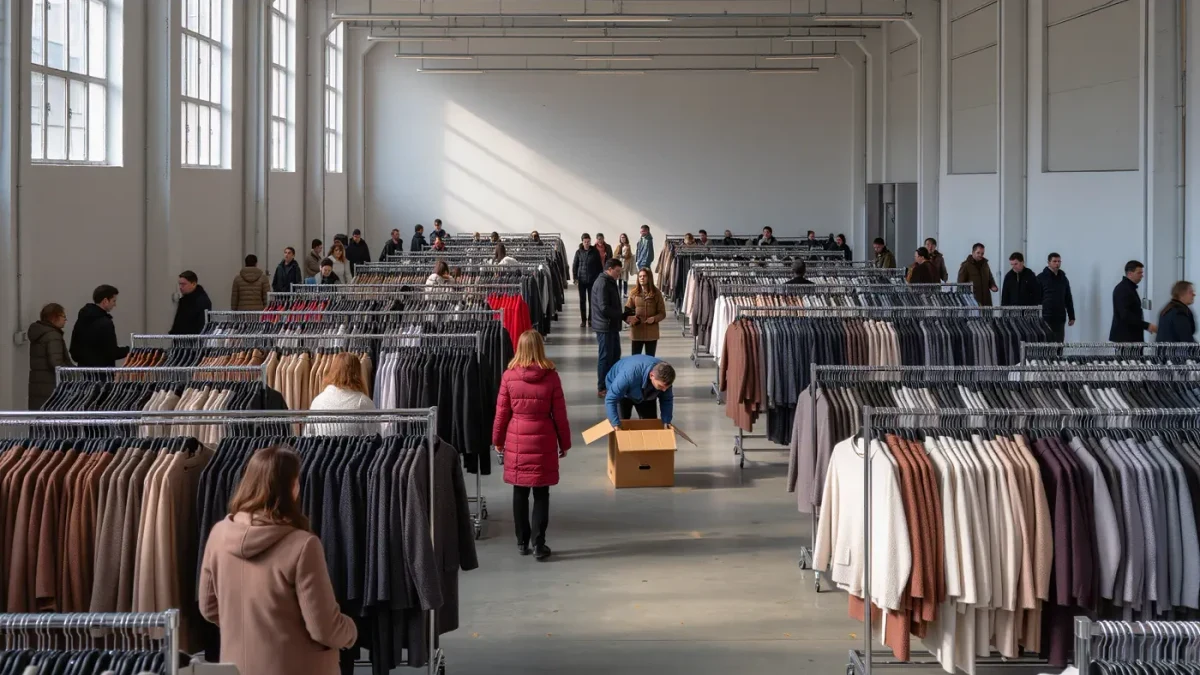
The mix varies by brand and by day — later days of a multi-day event skew toward picked-over overstock, while the first hours of the first day hold the samples everyone came for.
What does final sale actually take away from you?
Standard retail law gives you an implied exchange: items should match what you believed you were buying, and return policies exist because sizing and quality judgments happen at home. Final sale removes all of it. In practice that means:
- No returns for fit. A garment that fits in a cramped fitting room — if the event has one; many do not — may fit differently in your bedroom. There is no exchange, no store credit, no recourse.
- No returns for defects. If you find a torn seam, a stain or a missing button at home, the cost is yours. At most sample sales, discovering a defect before paying is your only window to discount it further; staff at many events have discretion to mark down flawed pieces if you ask on the spot.
- No price protection. If the same coat appears cheaper at the next event or the brand's online archive sale next month, your receipt is not an argument.
- All sales are cash-and-carry at many events. Some sales offer card payment and bag checks; some require cash and exit without bags. Check the event's stated terms before queueing.
How the math works against that risk
An illustrative calculation using documented sample sale discount ranges: a $400 retail blouse at an 80 percent sample discount costs $80. If there is a 1-in-8 chance you discover a flaw that makes it unwearable, the expected cost of the blouse is $90 — still far below $400, but not the risk-free $80 the sticker implies. The same math flips at small discounts: a 30 percent-off final sale item carries nearly full price with none of the protections, which is why experienced sample sale shoppers ignore anything under roughly 60 percent off. The discount has to pay for the risk you are absorbing.
How to shop a sample sale without regrets
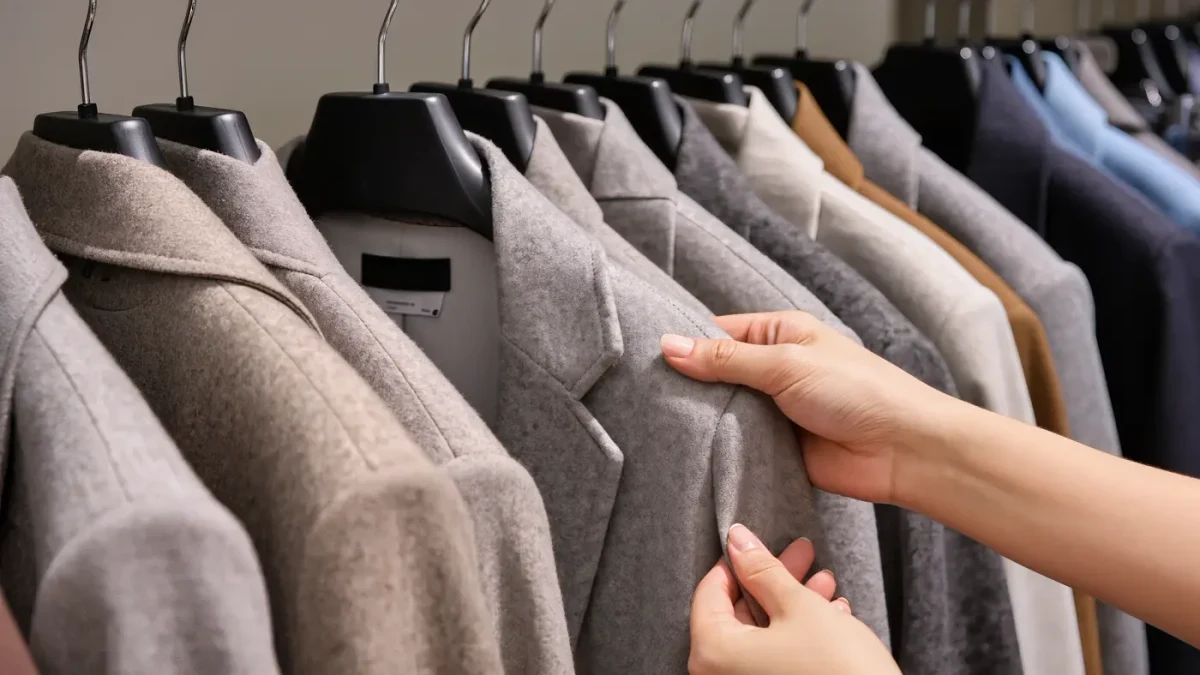
- Inspect like a buyer. Check seams, zippers, armpits, hems and linings before you reach the register. Hold knitwear to the light for pulls and snags.
- Know your measurements, not your size. Sample sizing runs irregular; a tape measure in your bag beats the size label.
- Ask about the discount schedule. Many multi-day events cut prices further on the final day — a documented practice — at the cost of whatever the early crowd already took.
- Set a spend limit before entering. Final sale plus crowded racks plus 80-percent-off signage is a designed environment for over-buying. Decide your number at the door.
Who should skip sample sales
Skip them if you are risk-averse about fit or depend on returns — standard retail sales with real return windows deliver smaller discounts with none of this exposure. Skip them if you need a specific item for a specific date; sample sales reward browsers, not shoppers on a mission. And skip them if the crowds are a dealbreaker: entry queues, packed rails and rack fights are documented features of the format, not accidents.
A sample sale trades your return rights for a bigger number off the tag. Take the trade only when the number is big enough to pay for the risk.
Done that way, sample sales are among the few genuinely deep discounts in fashion. Done carelessly, they are a closet of nearly-right clothes nobody can return.