Refillable makeup saves you real money only in one specific pattern: the refill must be meaningfully cheaper than the cased product, and you must actually buy it more than once. Across well-known refill systems, pods have typically priced 30–60 percent below the cased original as of 2025 — a $45 cased powder with a $28 refill, a $30 cased lipstick with a $20 cartridge, illustrative figures honestly marked. One refill purchase against one case purchase does not make a cheap habit; the second and third repurchase is where the math turns. Here is how to tell, before buying, whether a refill system will pay for you.
Why do brands sell refills at all?
Two motives, one financial. The sustainability story is real — reusable metal and heavy plastic cases carry environmental cost — but the business logic matters to your wallet: a customer locked into a case buys the next pod with one less comparison-shopping step. Brands accept lower margins on refills because refill buyers are repeat buyers. That alignment of interests is why the discount can be genuinely good, and also why the discount disappears the moment a brand lets you buy a new cased product at nearly the same price — always compare the pod against the cheapest cased option, including sales.
How the savings math works
The comparison is total cost over a fixed number of product cycles:
- Cased product: price includes the case every time. Three cycles of a $45 cased powder: $135.
- Refill system: case once, then pods. Case at $45 plus two refills at $28: $101.
- Savings after three cycles: $34 — about 25 percent — assuming identical formula and finish, and no cheaper competitor in either format.
Generalize from published refill price gaps of 30–60 percent: the discount per cycle compounds, but the break-even usually arrives at the second purchase. If you never buy the second pod, the refill system is just a more expensive first purchase.
What breaks the math in practice?
- The case dies first. Hinges snap, magnets weaken, mirrored lids crack. If a case survives only two pods, you amortized $45 of case over two cycles — fine — but if it fails after one, you bought a fragile $45 compact. Mechanism quality is the hidden variable; metal pans that snap in and out with a satisfying click tend to outlast friction-fit plastic.
- Discontinued shades and reformulations. Refill systems lock you into one brand's shade architecture. If the brand discontinues your pod shade or reformulates, your case becomes a paperweight and the sunk cost surfaces. This is the single most common way refill savings evaporate.
- Sales invert the comparison. A 20 percent off promotion on the cased product can close or reverse the gap against a full-price pod. Refill savings should be computed against sale prices too, because you can only spend a dollar once.
- You do not pan the product. A refill of a powder you used a third of is not a saving. Finishing rate, again, dominates every other variable.
Which refill categories save the most?
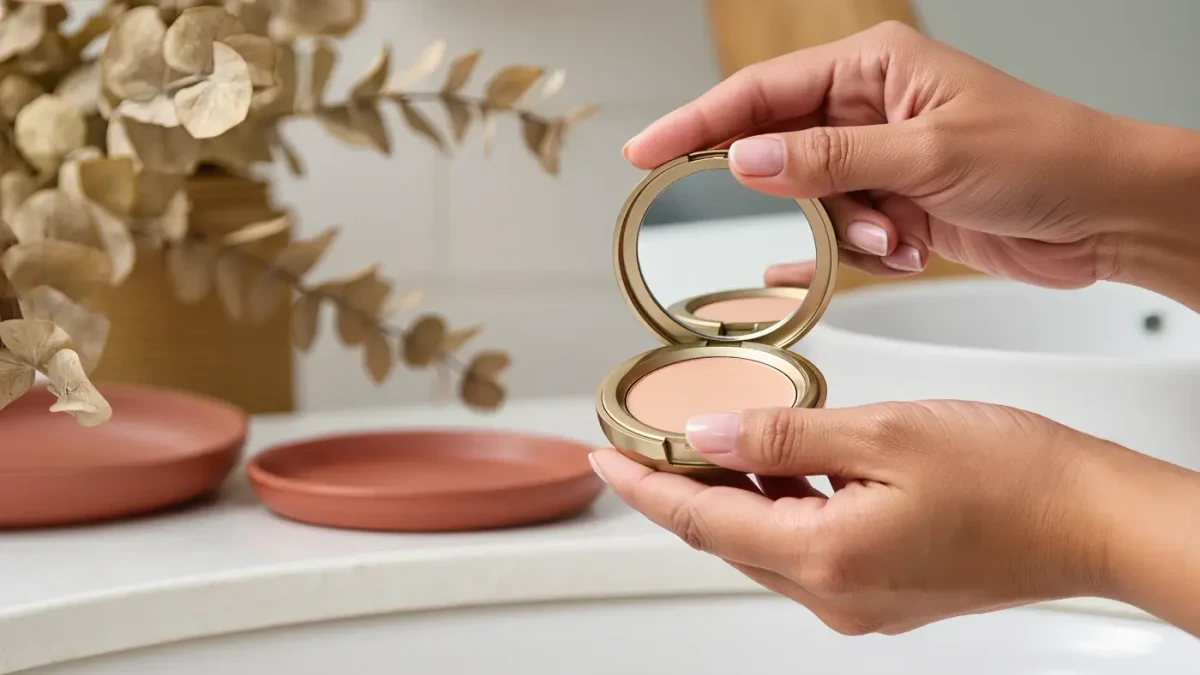
- Powders and pressed products (foundations, blush, bronzer): long-lasting, slow-moving, cases are sturdy — historically the strongest savings case, since pods are frequently 40 percent below cased price.
- Lipstick bullets and mascara in reusable barrels: moderate savings, but mascara hygiene timelines mean you buy a new barrel several times a year; check whether the "refill" for a mascara actually replaces the brush, since replacing only the paint defeats the point.
- Fragrance bottles: savings exist but are smaller relative to a luxury purchase you make rarely.
- Cushion compacts: refills are the normal way to buy cushions and are typically 30–50 percent cheaper than a new cased compact — one of the oldest and most normalized refill systems in beauty.
Limited-edition cases deserve a special warning, because they are where refill marketing and collector psychology collide. A seasonal cased compact priced like any other becomes an emotional purchase that resists the panning discipline the whole system depends on. If the case is the thing you actually want, buy it once as an object, then ask separately whether its refill pod is cheaper than competitors before calling it a savings decision. Collections and refills can coexist; they just should not be confused in your budget.
How do you audit a refill system before committing?
- Compute the pod discount: (cased price minus pod price) divided by cased price. Below roughly 25 percent, the lock-in premium is barely paid.
- Check the case mechanism in person if possible: metal snap-in pans and screwed barrels age better than plastic friction fits.
- Check the brand's shade continuity record: how often does it discontinue shades? A brand with a stable core range is a safer refill commitment.
- Confirm you like the formula enough for three cycles. The first cased purchase is a test; only commit the wallet to the system once the finish rate proves it.
- Price pods against sale-priced competitors — the refill's rival is the discounted cased product on the next shelf.
Bottom line
Refill makeup is a discount program wearing an ethics badge: the pods genuinely cost less, typically 30–60 percent less, but only repeated purchases at your normal finishing rate produce savings. Buy the system for products you pan completely, in categories where cases survive, from brands that keep their shade ranges stable — and skip the refill train for colors you wear a few times a year, where a $12 regular compact was the better deal all along.